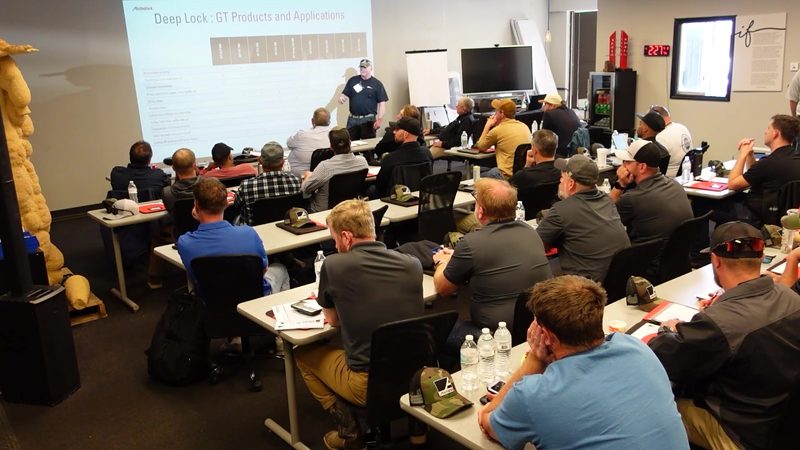
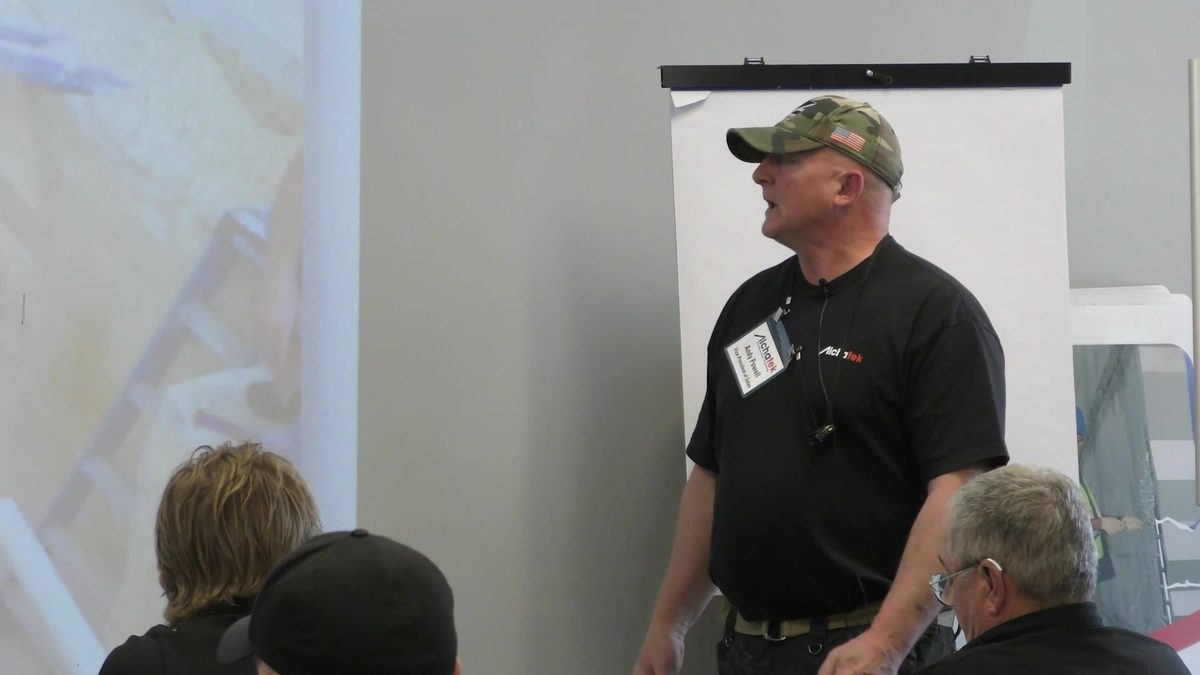
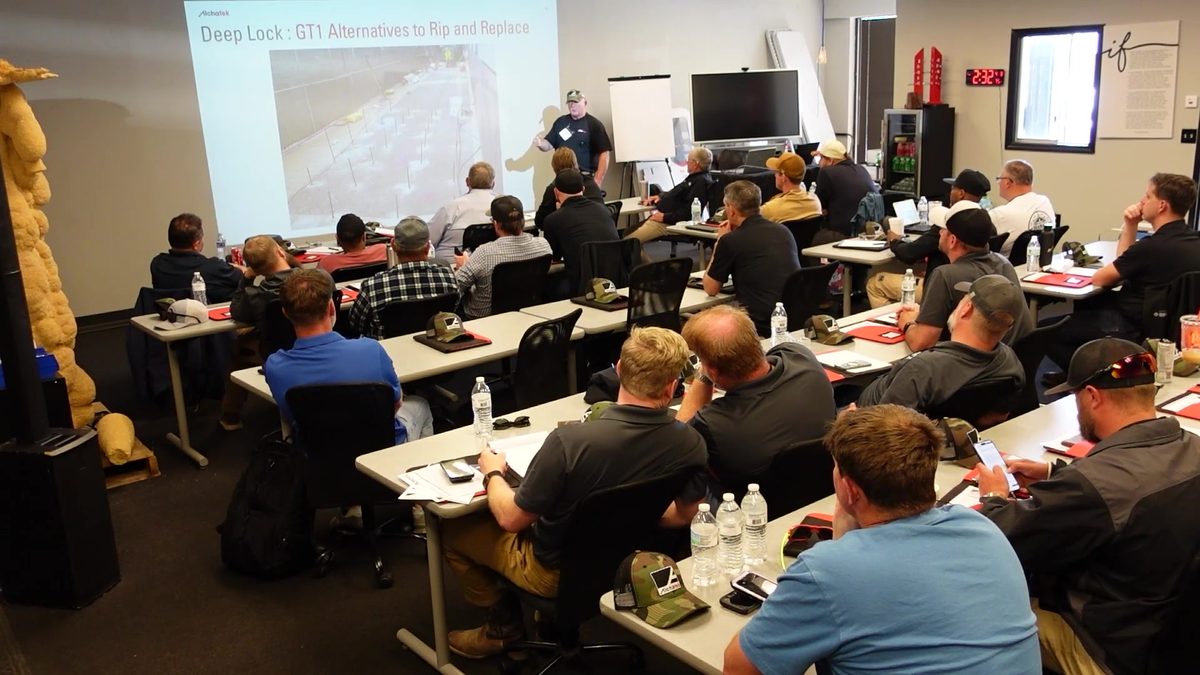
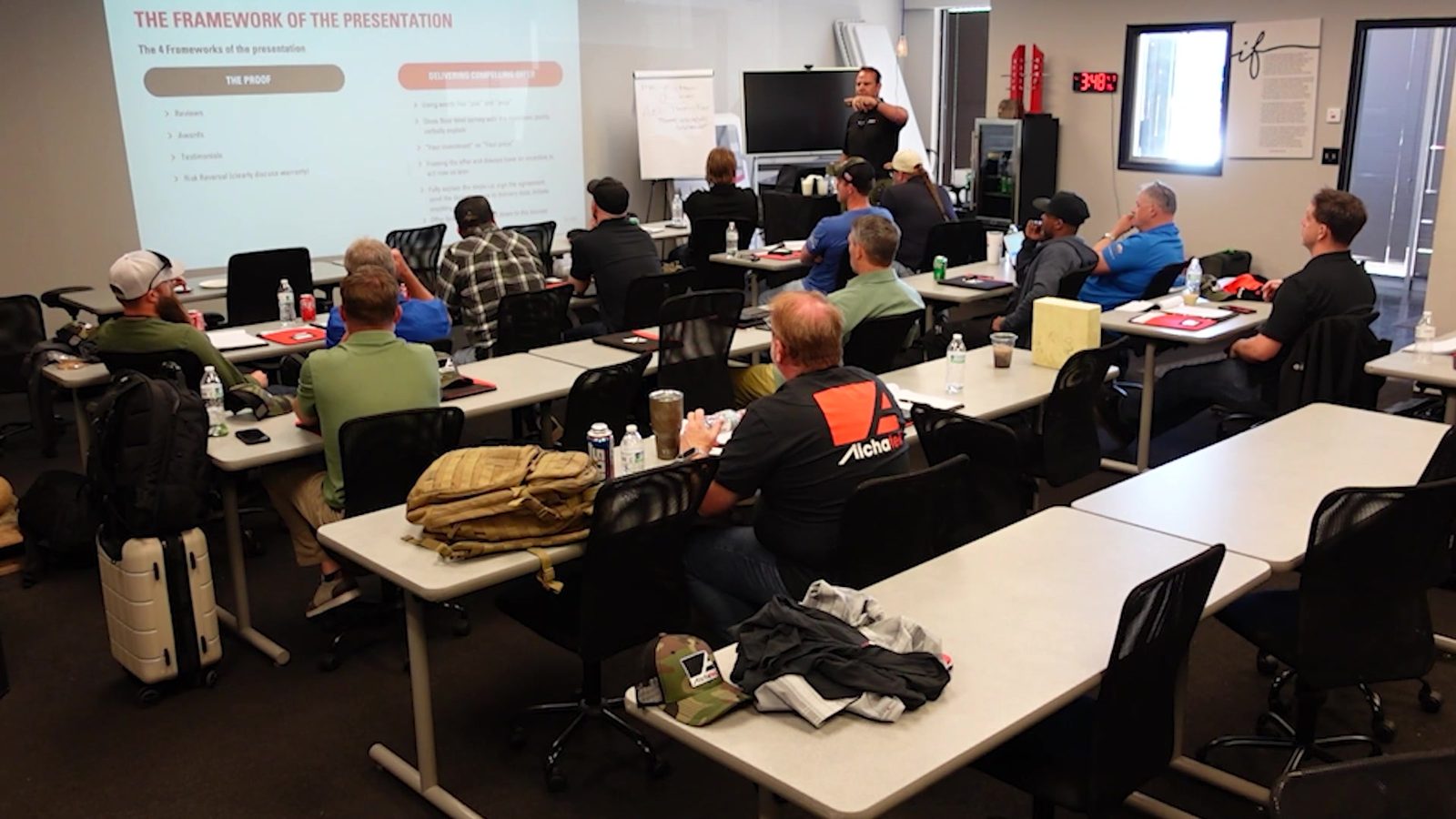
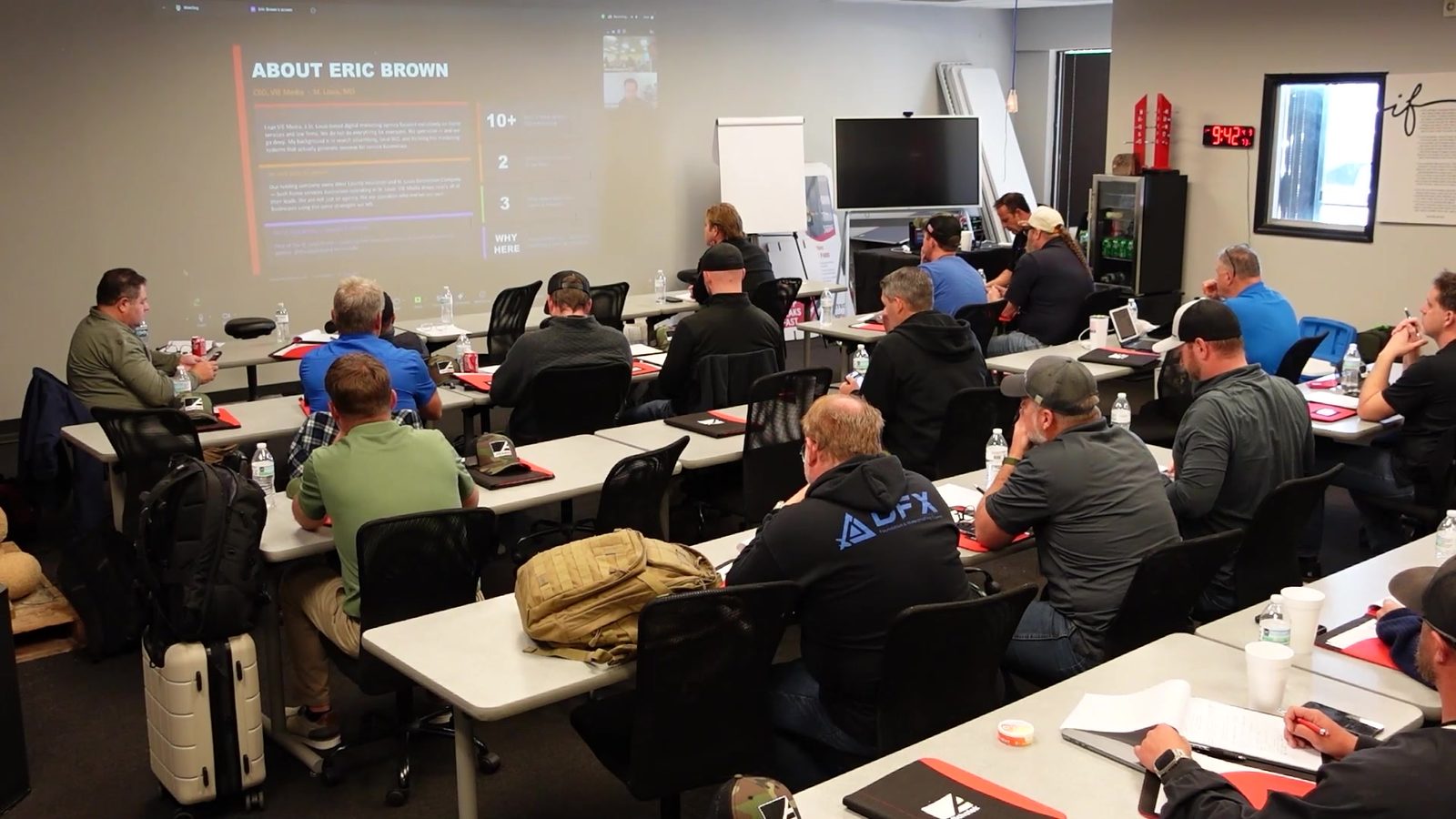
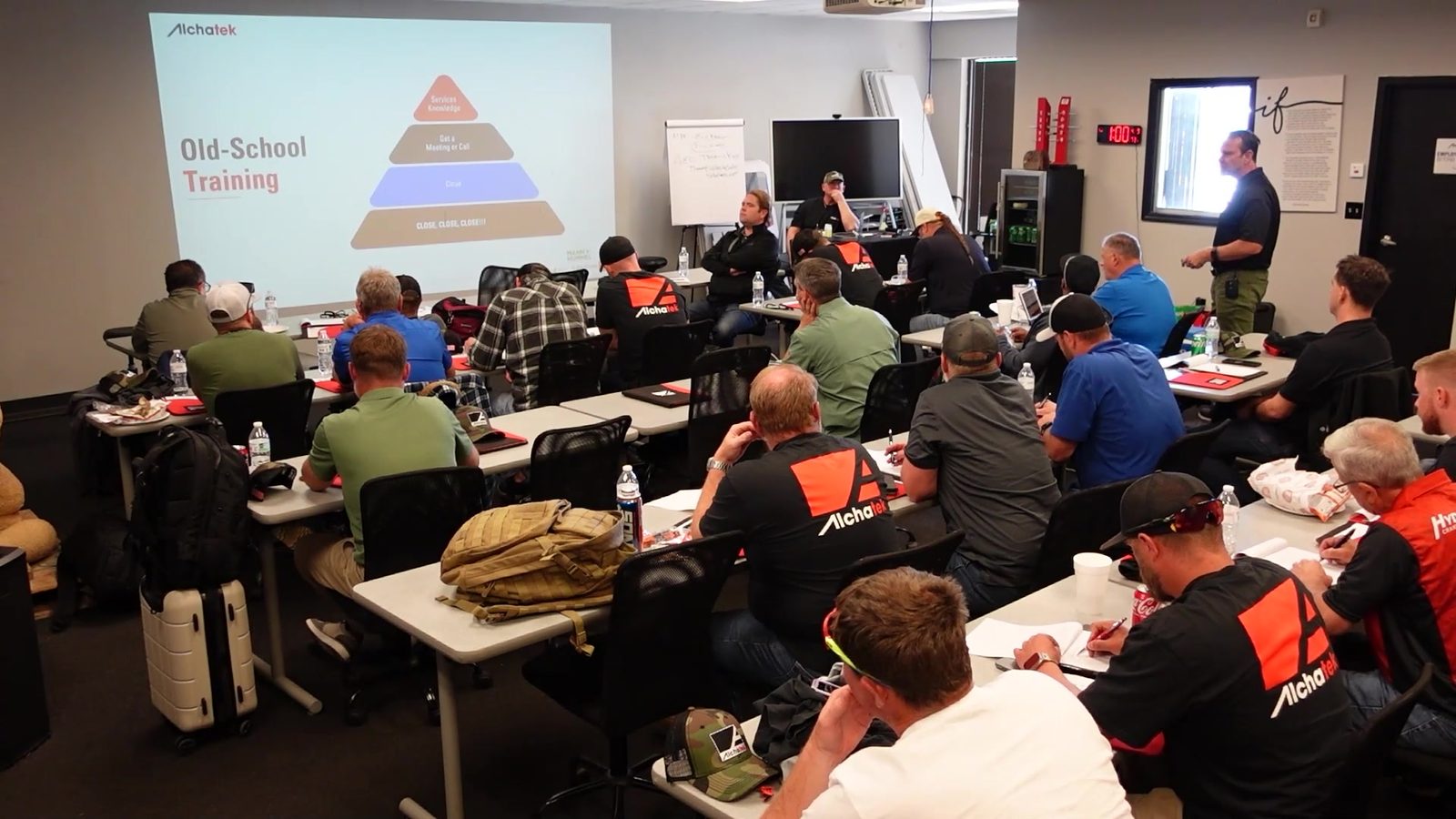
Andy covers every aspect of single-component polyurethane — from soil science to field execution to job pricing. Here's the complete roadmap.
0:00 – 5:00
When Single-Component Is the Right Fit
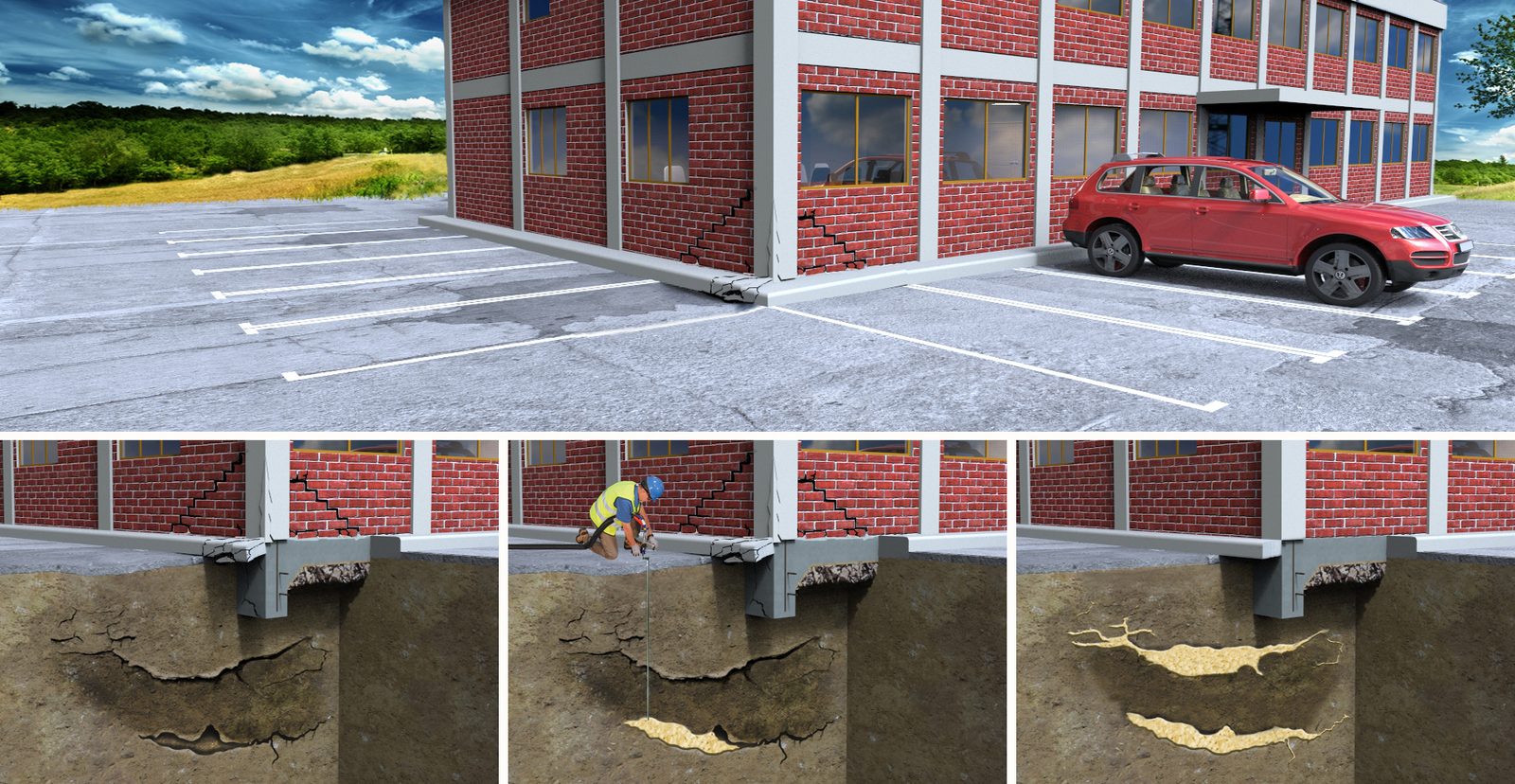
Andy opens with the fundamental question: is the soil permeable? Single-component resins permeate between soil grains — they need sandy, gravelly soil to work. Clay and silt are too fine. Understanding this distinction is the first step to knowing when single-component is the right call versus two-component foam.
5:00 – 16:00
Reading Soil Boring Reports & N Values
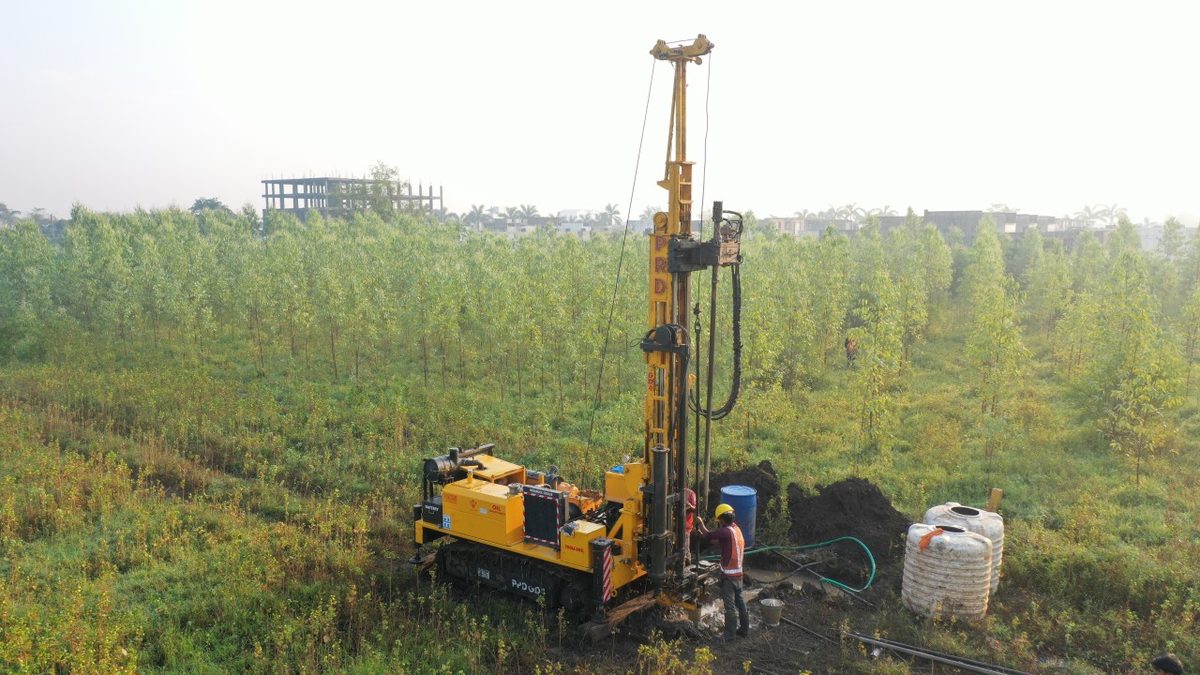
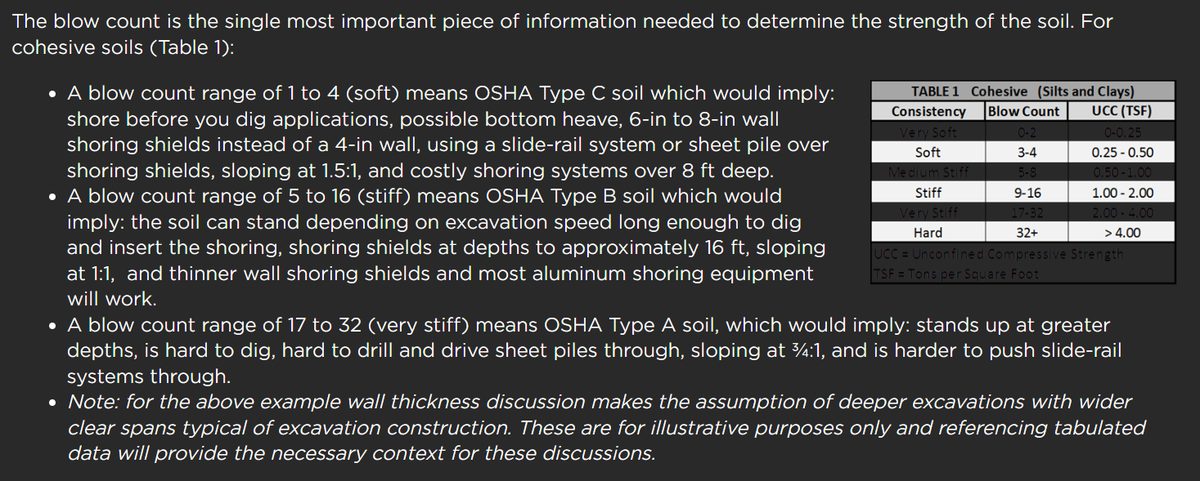
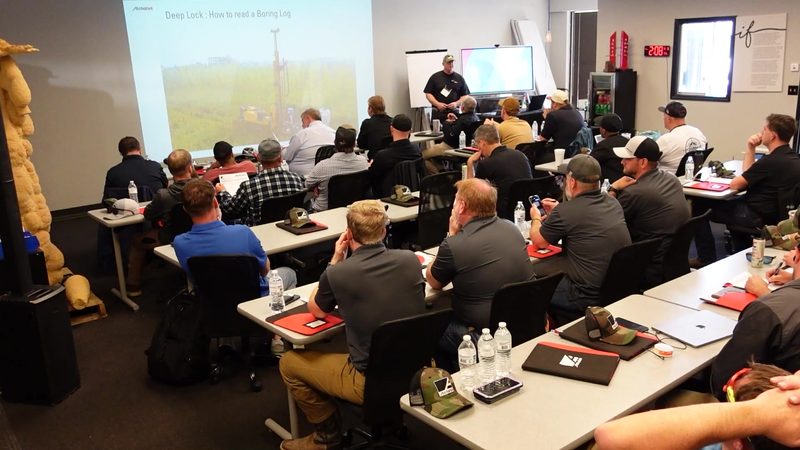
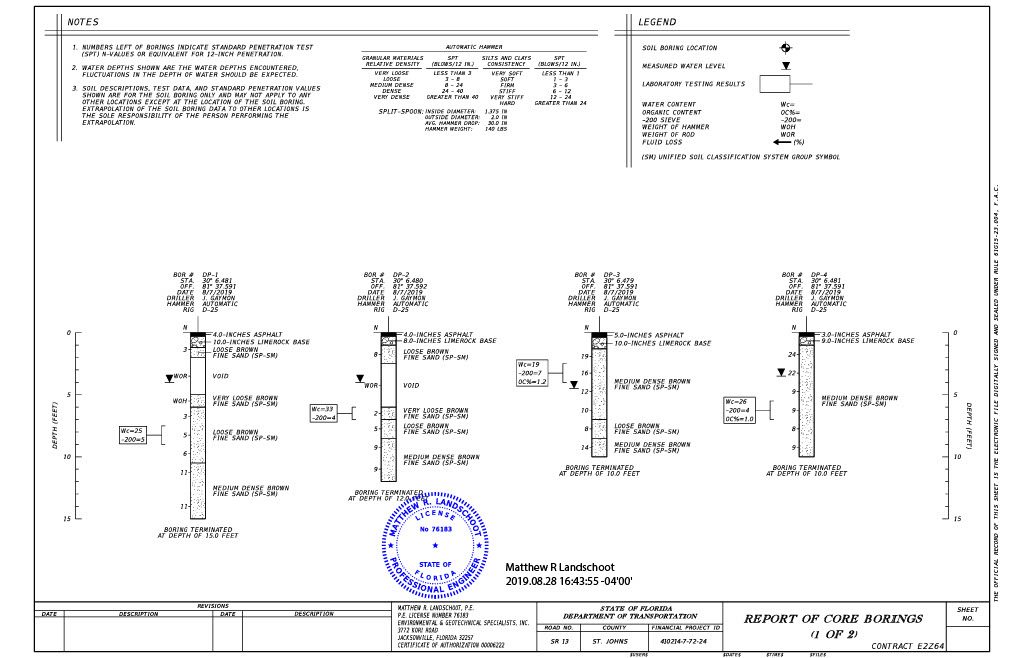
The deep dive into geotech reports: Andy walks through a real Florida DOT boring log — what SPT blow counts mean, how to read N values for sandy vs. cohesive soils, what “weight of rod” and “weight of hammer” tell you about void conditions, and why the number 200 sieve percentage (fines under 12%) determines whether you can permeate the soil.
16:00 – 25:00
The Three Single-Component Products & Equipment
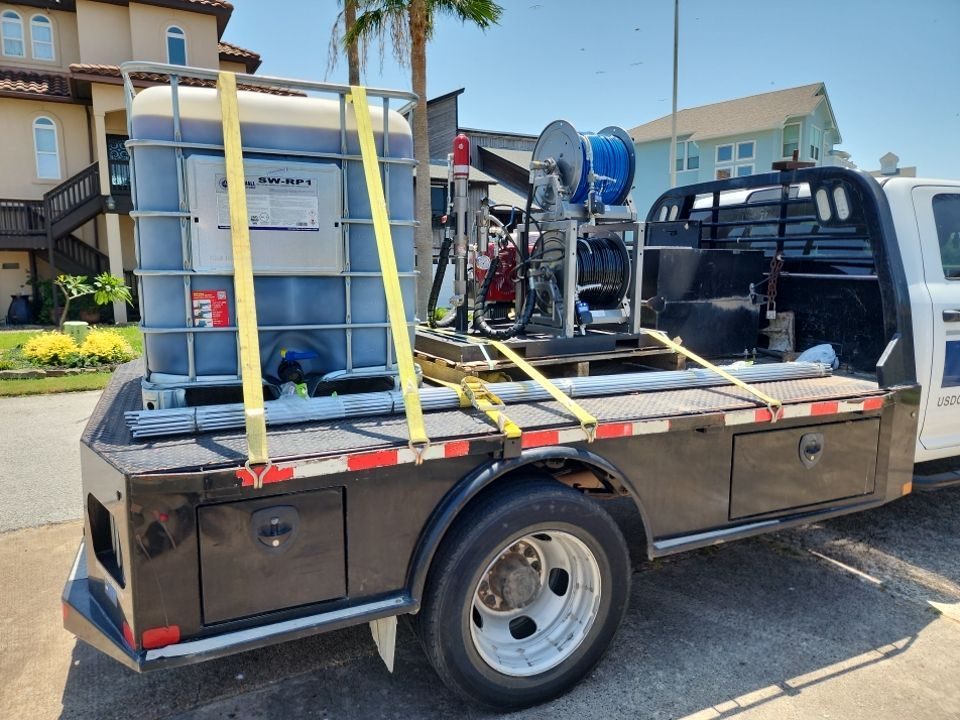
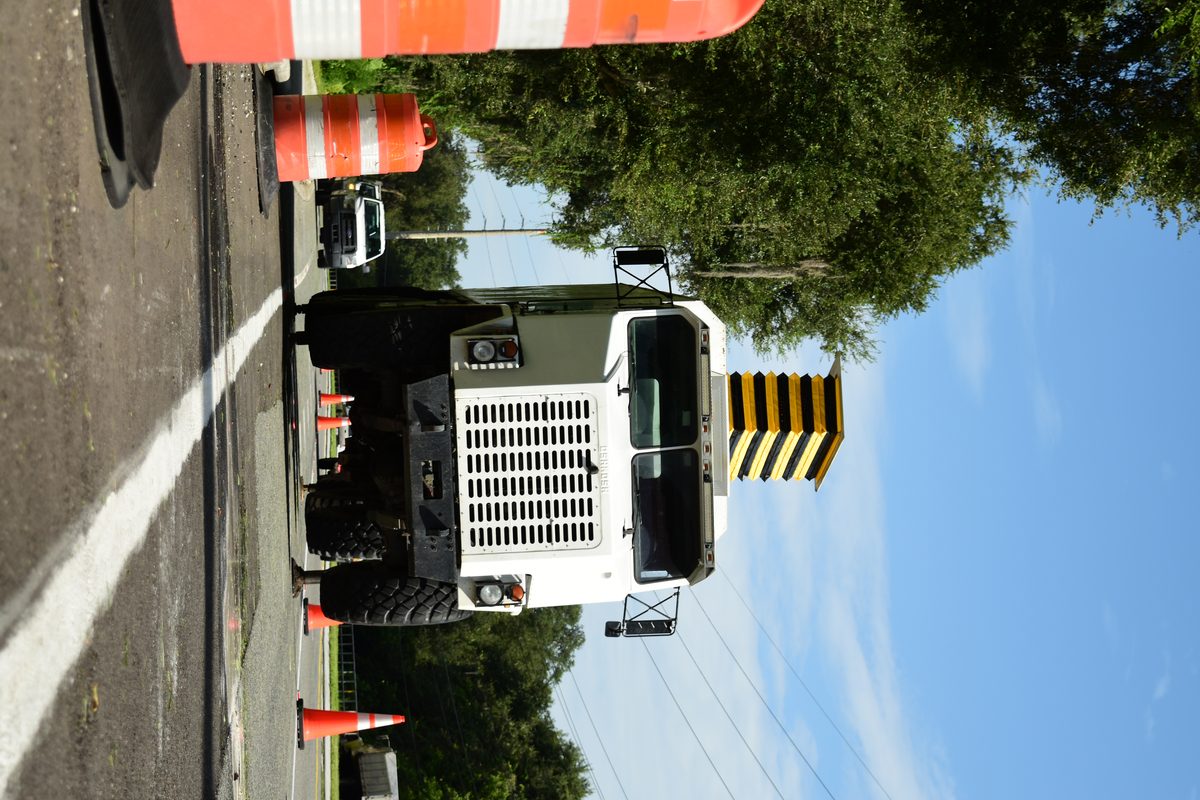
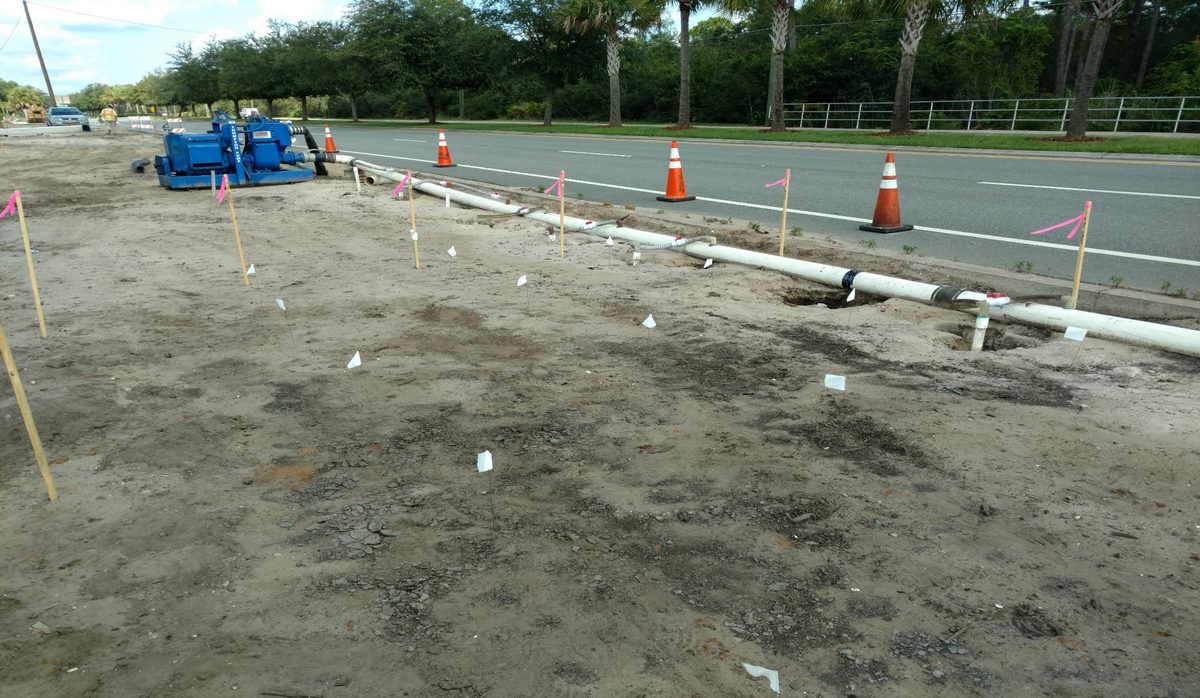
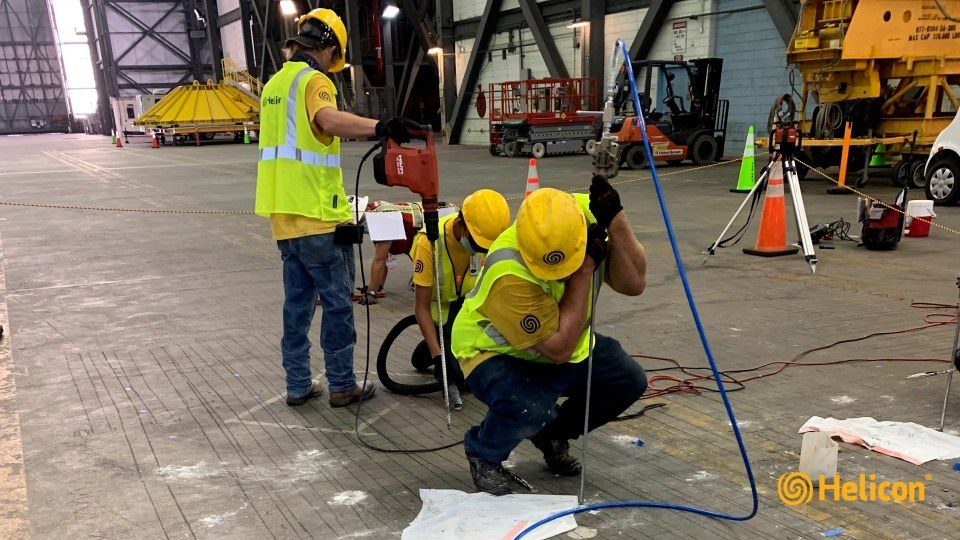
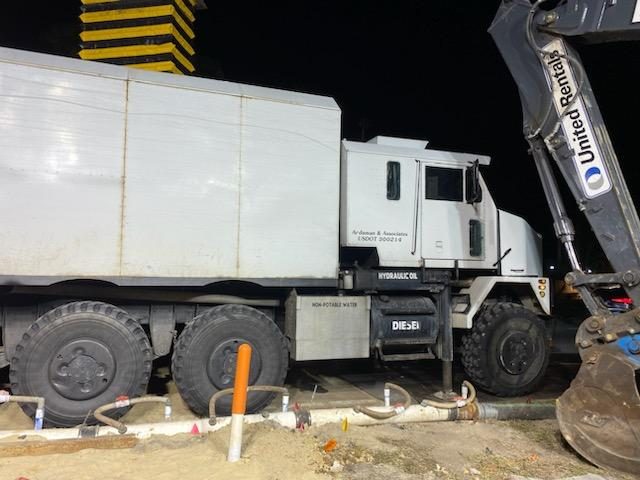
Andy breaks down the product lineup: AP 600 (37–40 centipoise, ultra-thin, for excavation walls and elevator pits), AP 700 (100 centipoise, 30x expansion, for grid-pattern compaction and water cutoff), and AP 720 (40–50x expansion, for seawalls and bulkheads). All are heavier than water, hydrophobic, and work in the water table without dewatering. The Poly Shark pump system — gas over hydraulic, two 400-foot hose reels with flow meters — lets you park on the street and run hoses to the work area.
25:00 – 33:00
Alternatives to Excavation — Real Case Studies
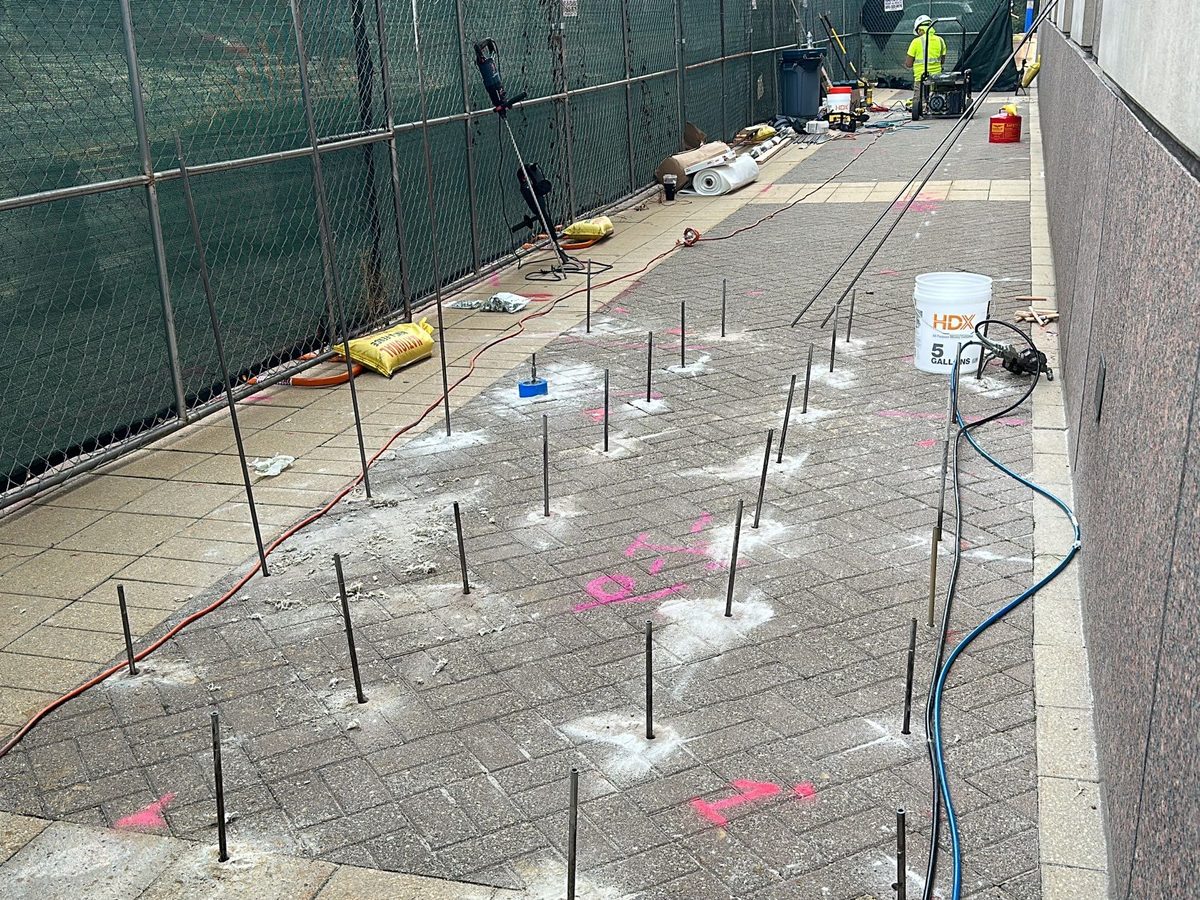
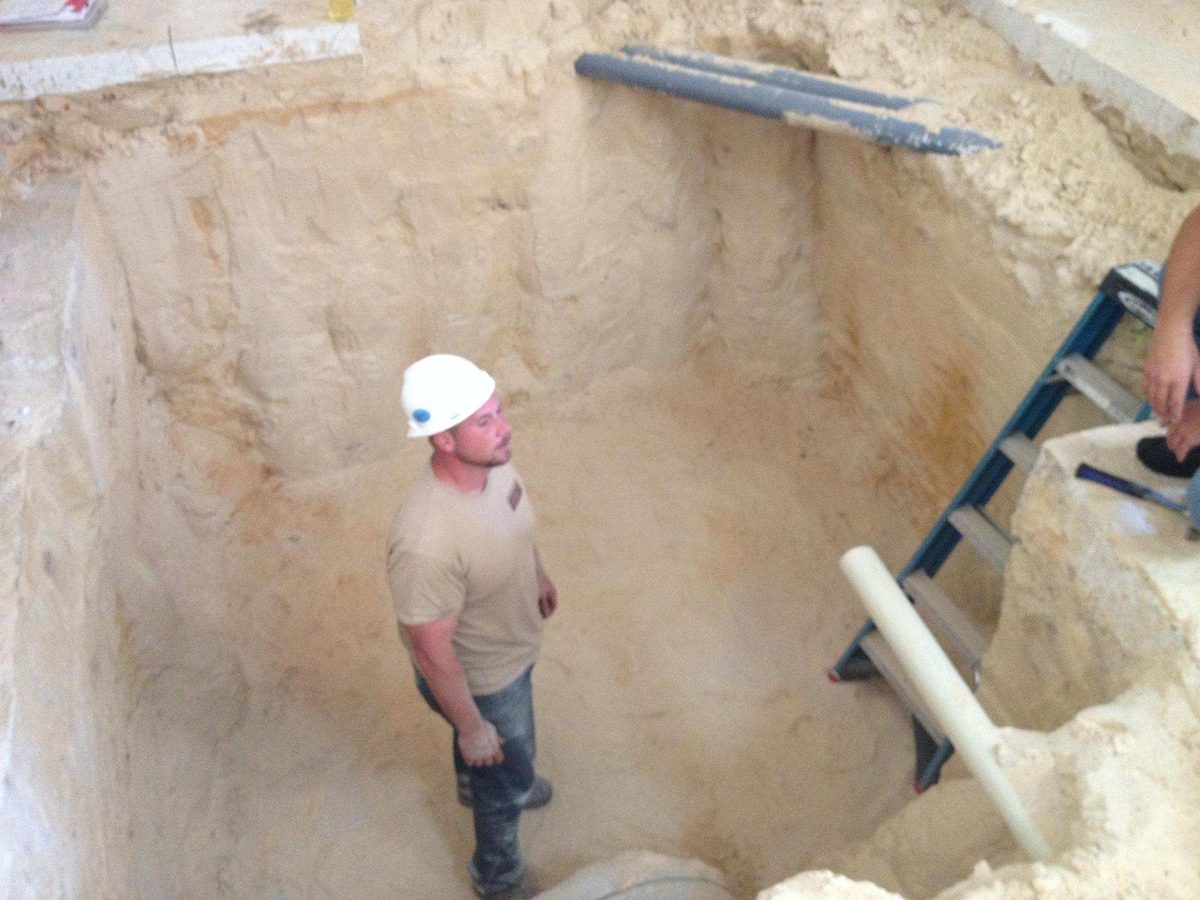
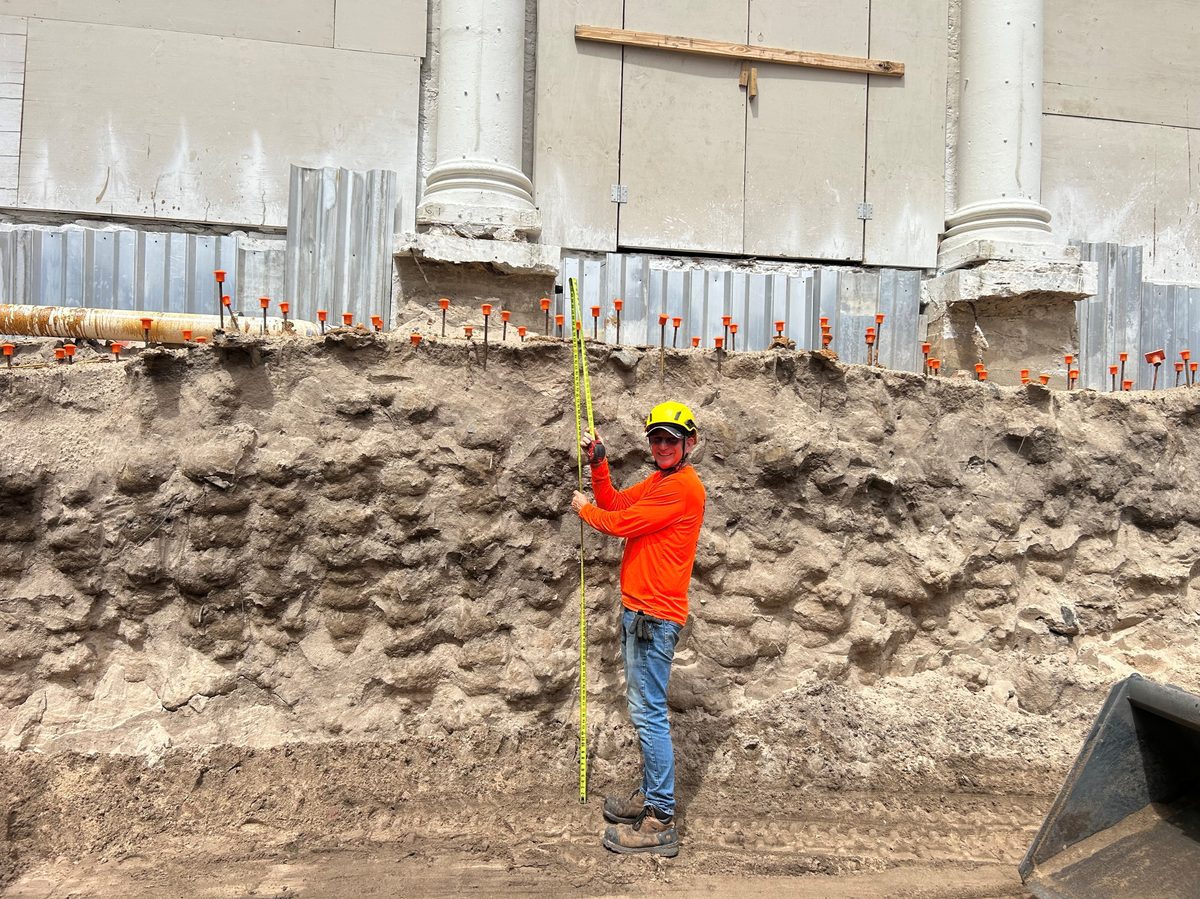
The Cohen Building in New Jersey: a federal courthouse with deep infrastructure, heavy foot traffic, and settling walkways. Nine totes of AP 700 at 5% catalyst, pumping from depth and pulling rods up — a gallon per vertical foot. Then the elevator pit at Archer Sand in Gainesville: a 55-and-up community where you can't drive sheet pile inside a building. AP 600 permeation built the excavation walls so they could dig the pit safely.
33:00 – 38:00
Single-Component Application Categories
Andy runs through the full market: DOT road stabilization in organic soils, water cutoff walls for soil dams and spillways, excavation assist for zero-lot-line buildings, foundation support next to existing structures, historic building stabilization with brick foundations, and seawall/bulkhead erosion repair. Every application where you have permeable soil is a single-component opportunity — and the work is everywhere once you know where to look.
Live
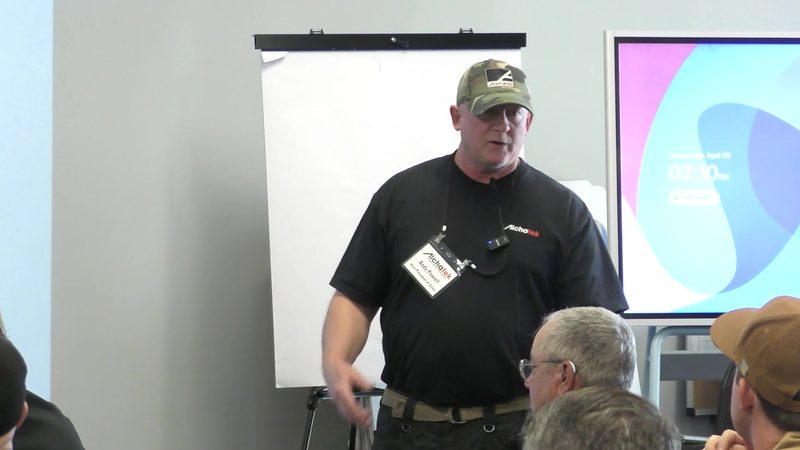
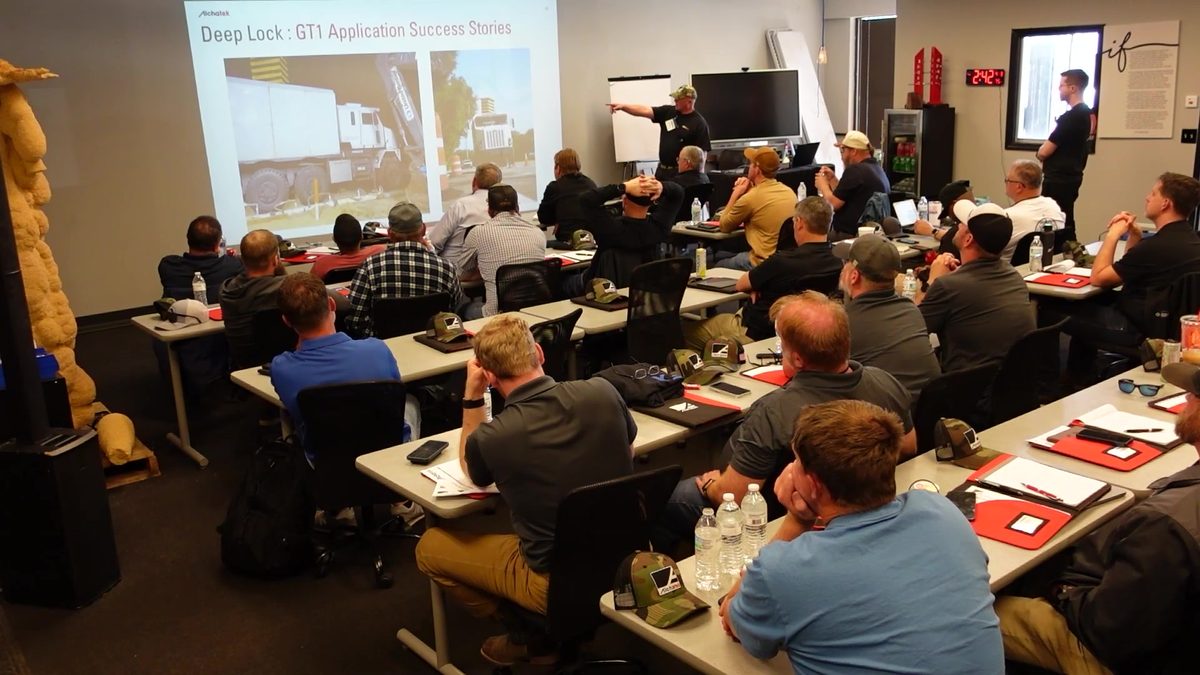
Andy covers the full range of single-component market segments
38:00 – 43:00
NYC Building — Single + Two-Component Combined
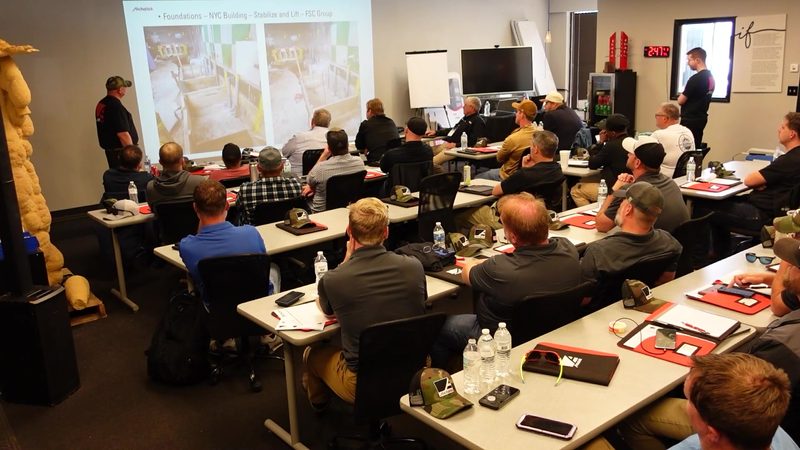
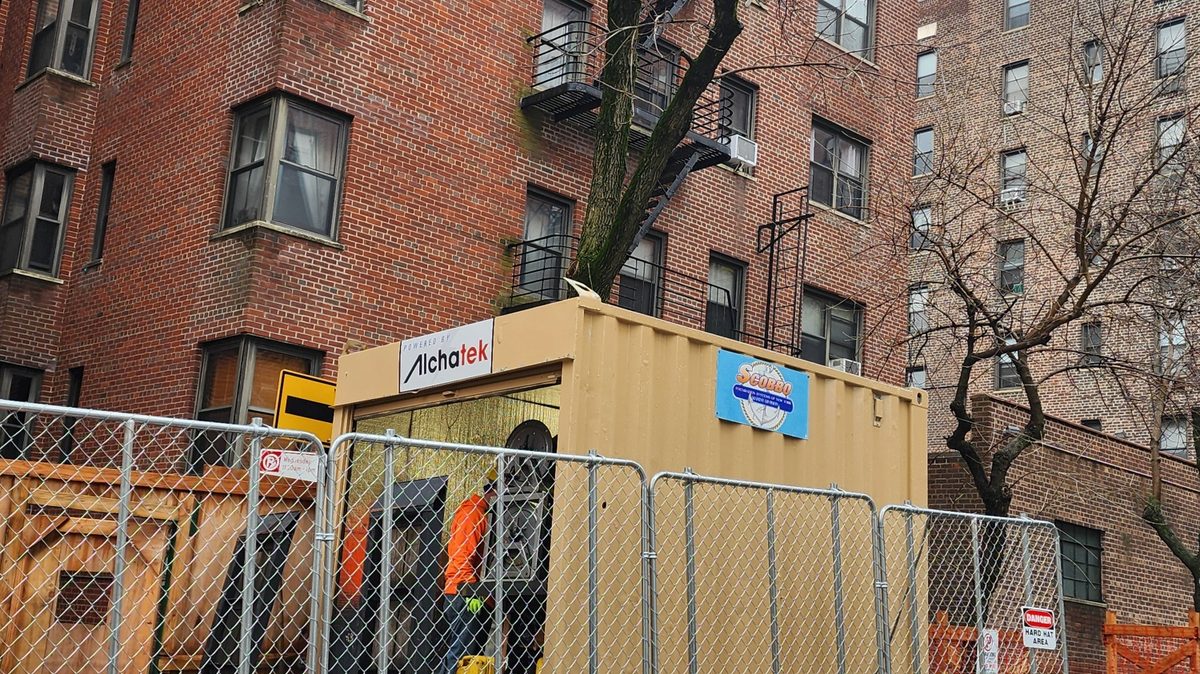
Frank shares the NYC project: a 64-unit occupied building that was sinking, with the building department demanding evacuation. The team used single-component to fill voids at depth, then two-component on top for lifting — 220 injection points, 23 feet deep, two and a half years of work. Single-component curtain walls on both sides stopped an underground stream. It proved that single-component and two-component work together in the most demanding conditions.
43:00 – 52:00
Fort Green Solar Field — The Numbers
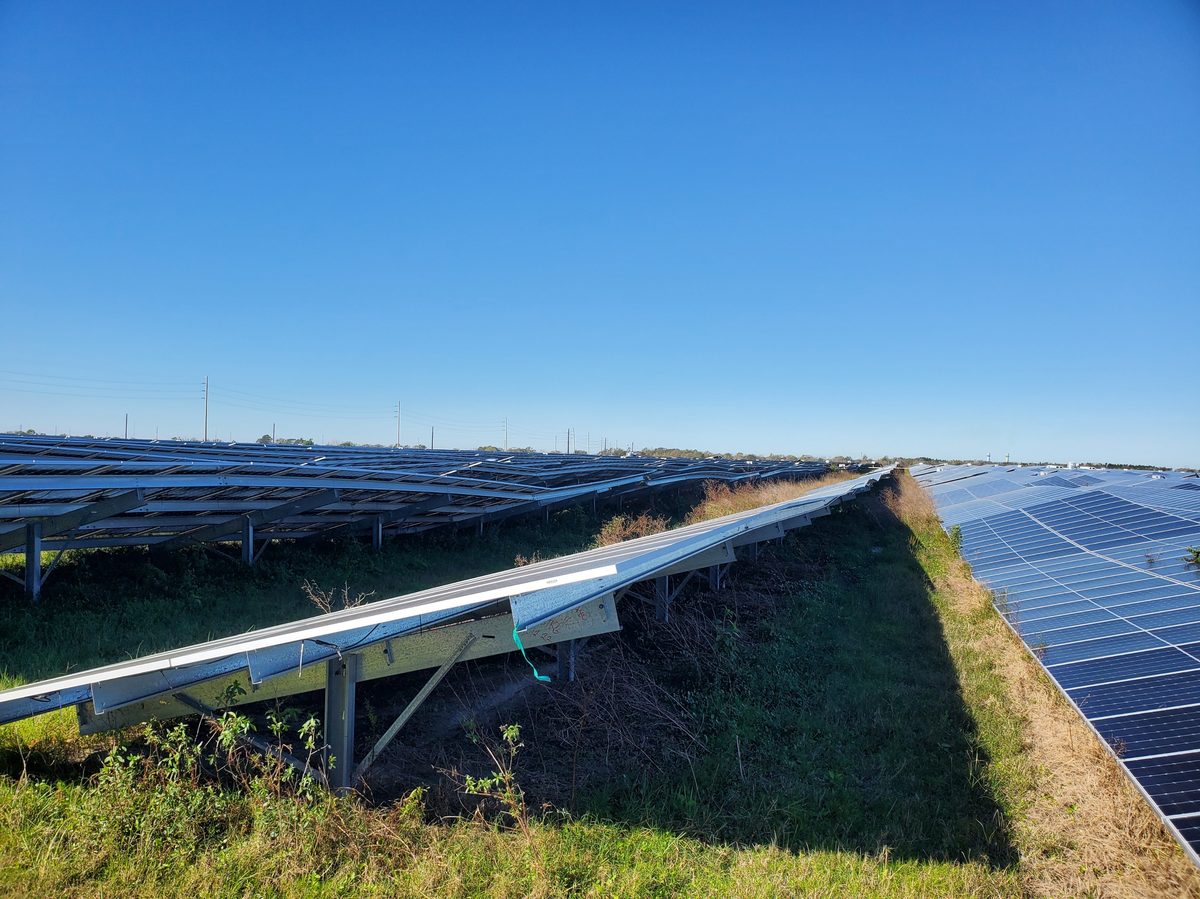
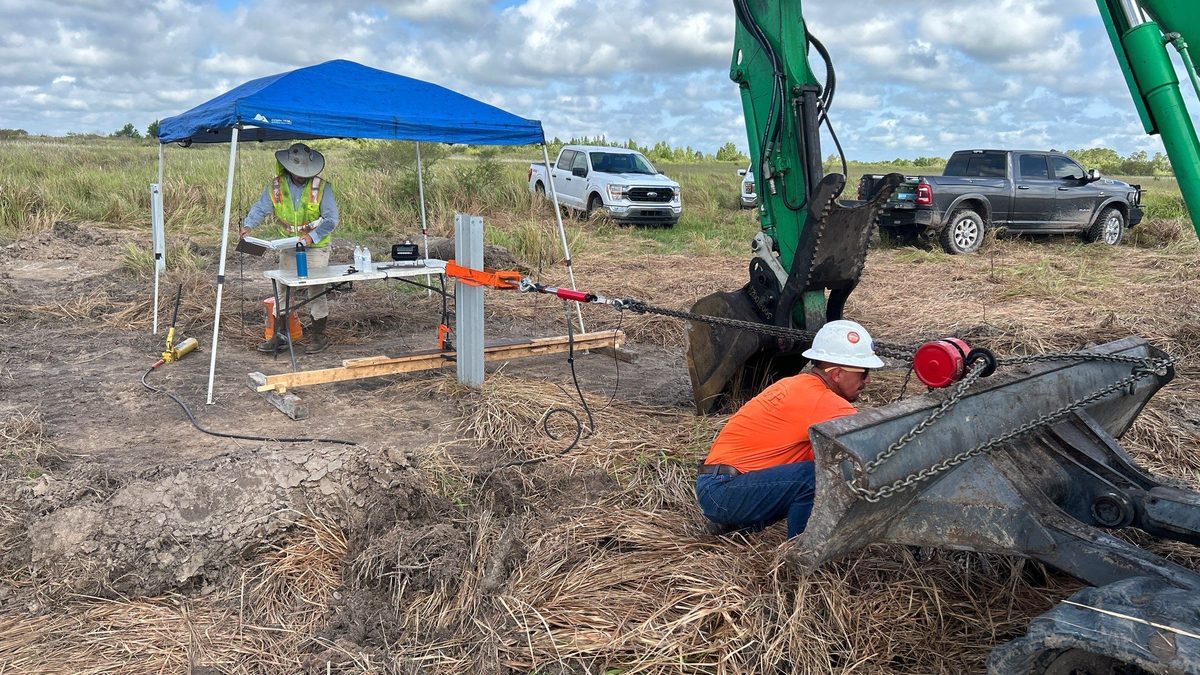
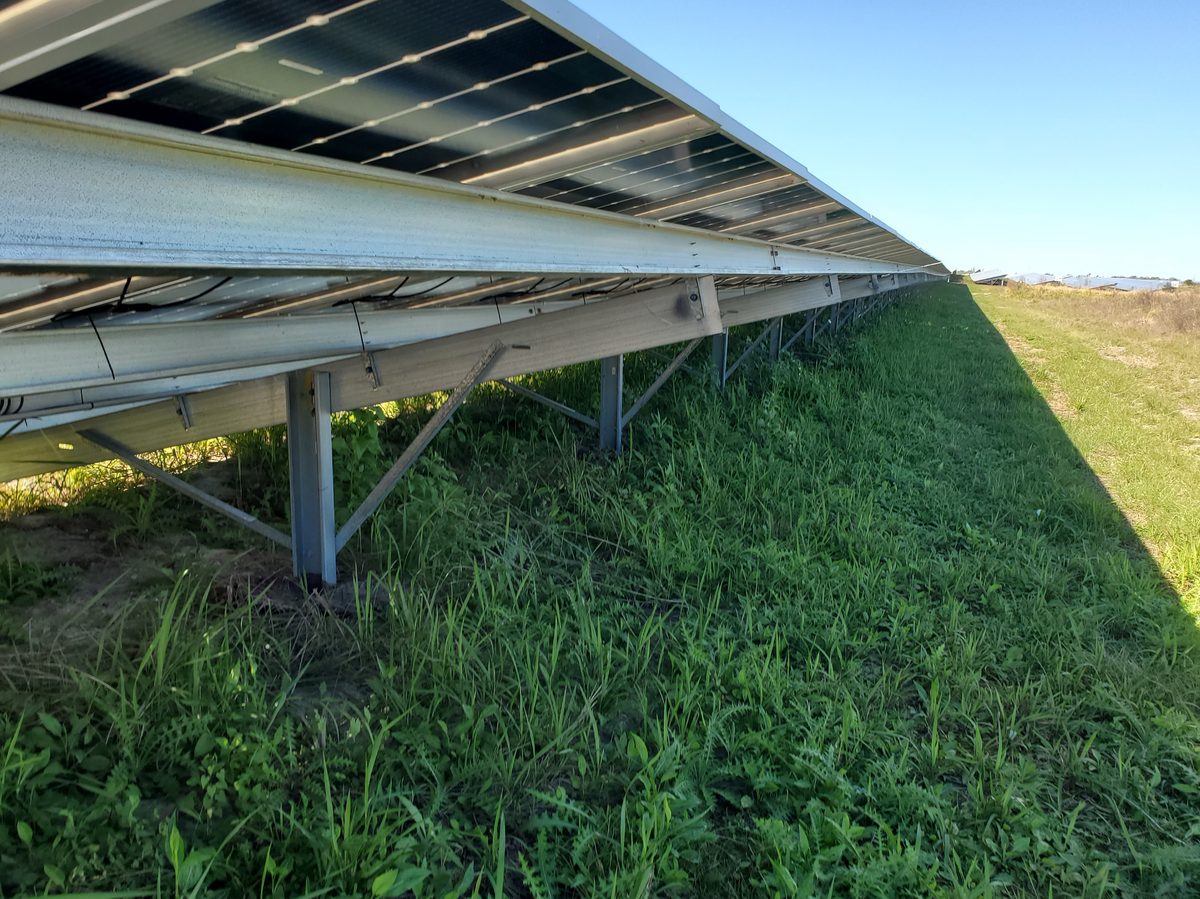
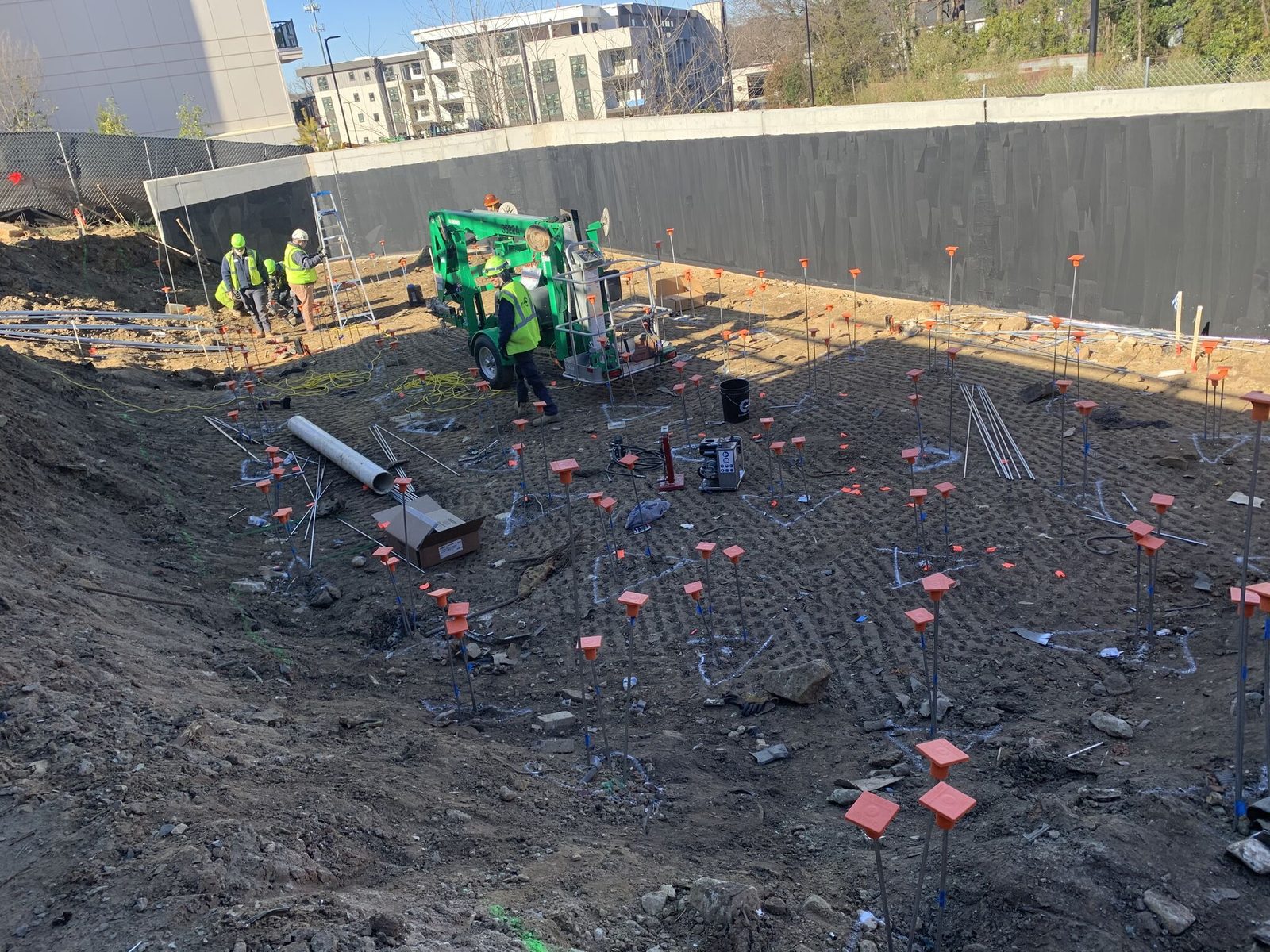
The definitive single-component case study with full financials: 40,000 total H-piles, 5,000 failing pull tests. Three-quarters of a gallon of AP 600 per pile, four feet down. Material cost: $42/gallon, $157K total. Production: 1,200 piles per day with two Poly Sharks and four operators. Invoiced at $90/gallon — $337K total, done in four days. Then Hurricane Ian hit as a Category 3: out of 5,000 treated piles, only 9 moved.
52:00 – 56:00
Excavation Walls & Grid Patterns
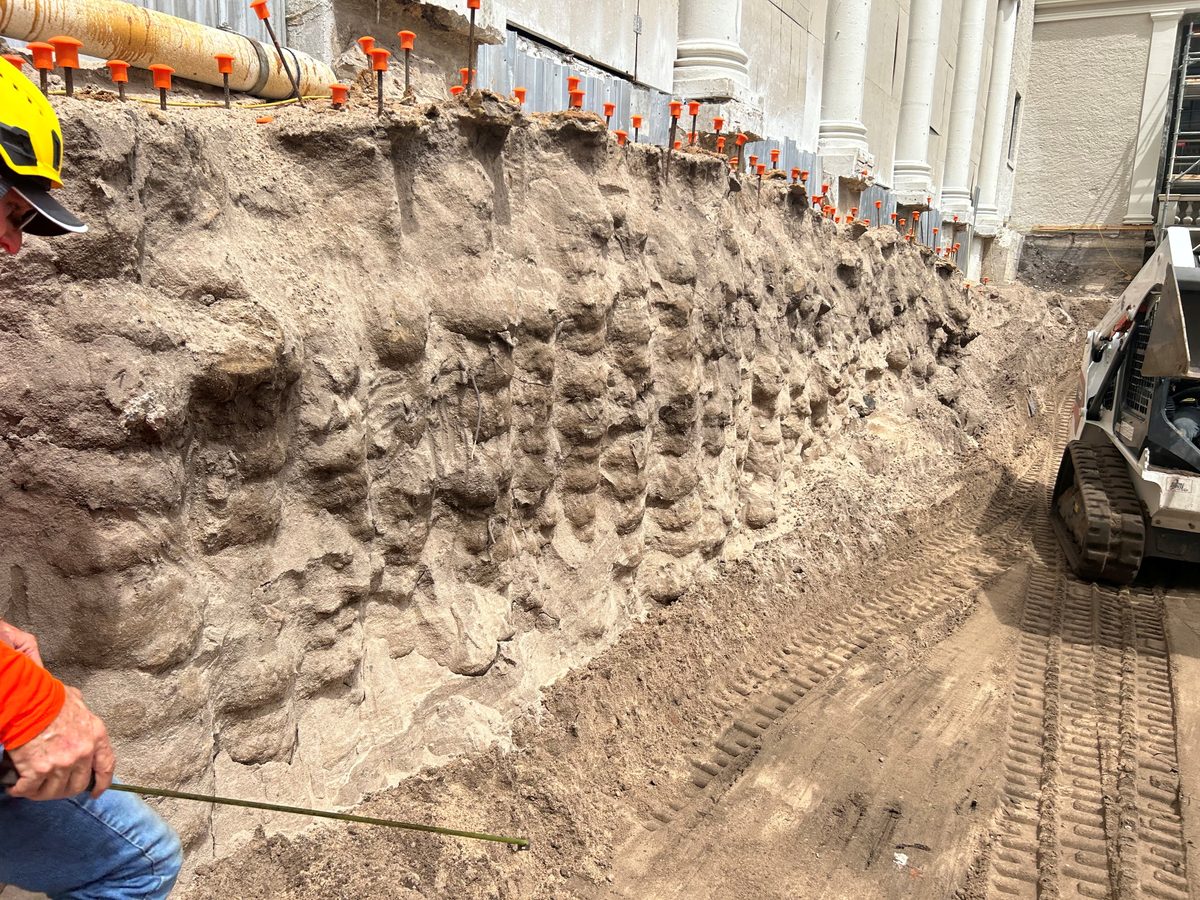
The Breakers Hotel courtyard project: a seven-foot permeation wall done at 12 inches on center with multiple injection rows, engineered to resist overturning forces. Andy covers grid pattern spacing — 3–4 feet for soil stabilization, 12–15 inches for excavation walls — and the critical technique of letting the first gallon set before stacking to avoid bell-shaped columns instead of clean pillars.
56:00 – 61:00
The Value Proposition & Wrap-Up
Andy closes with the message that hasn't changed in years: you're already making the same sales calls — now you can offer deep soil stabilization on every one. Single-component is fast to install, proven in service for 40+ years, less invasive than excavation, requires no permits for most work, and combines with helicals, manta rays, and traditional underpinning. The NASA VAB, Florida DOT, and solar field projects prove it works at every scale.