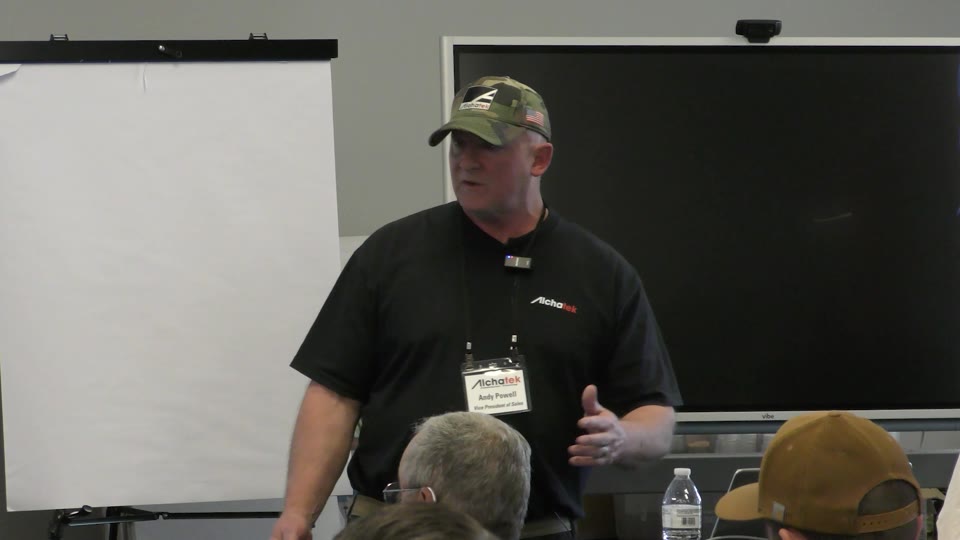
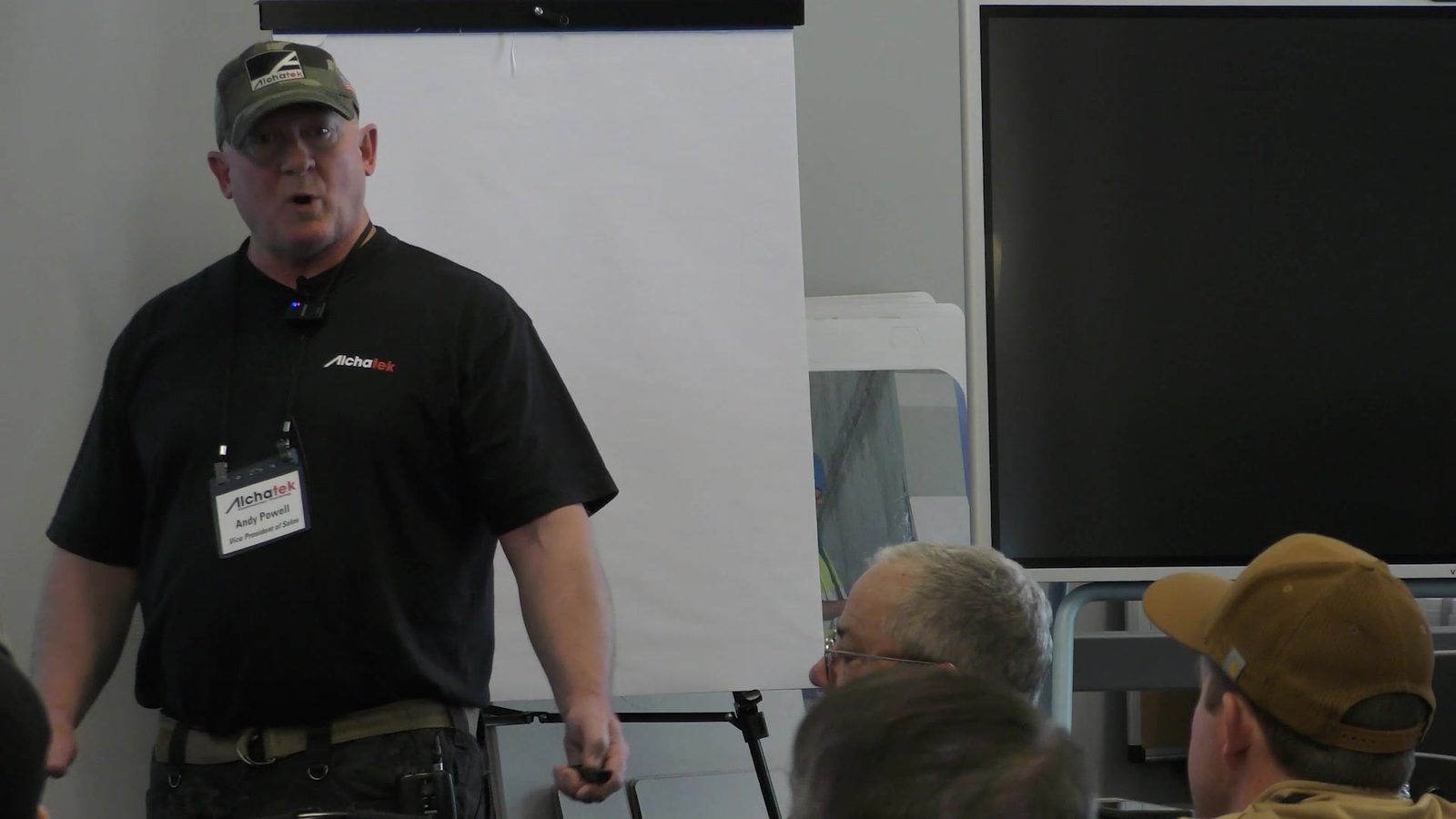
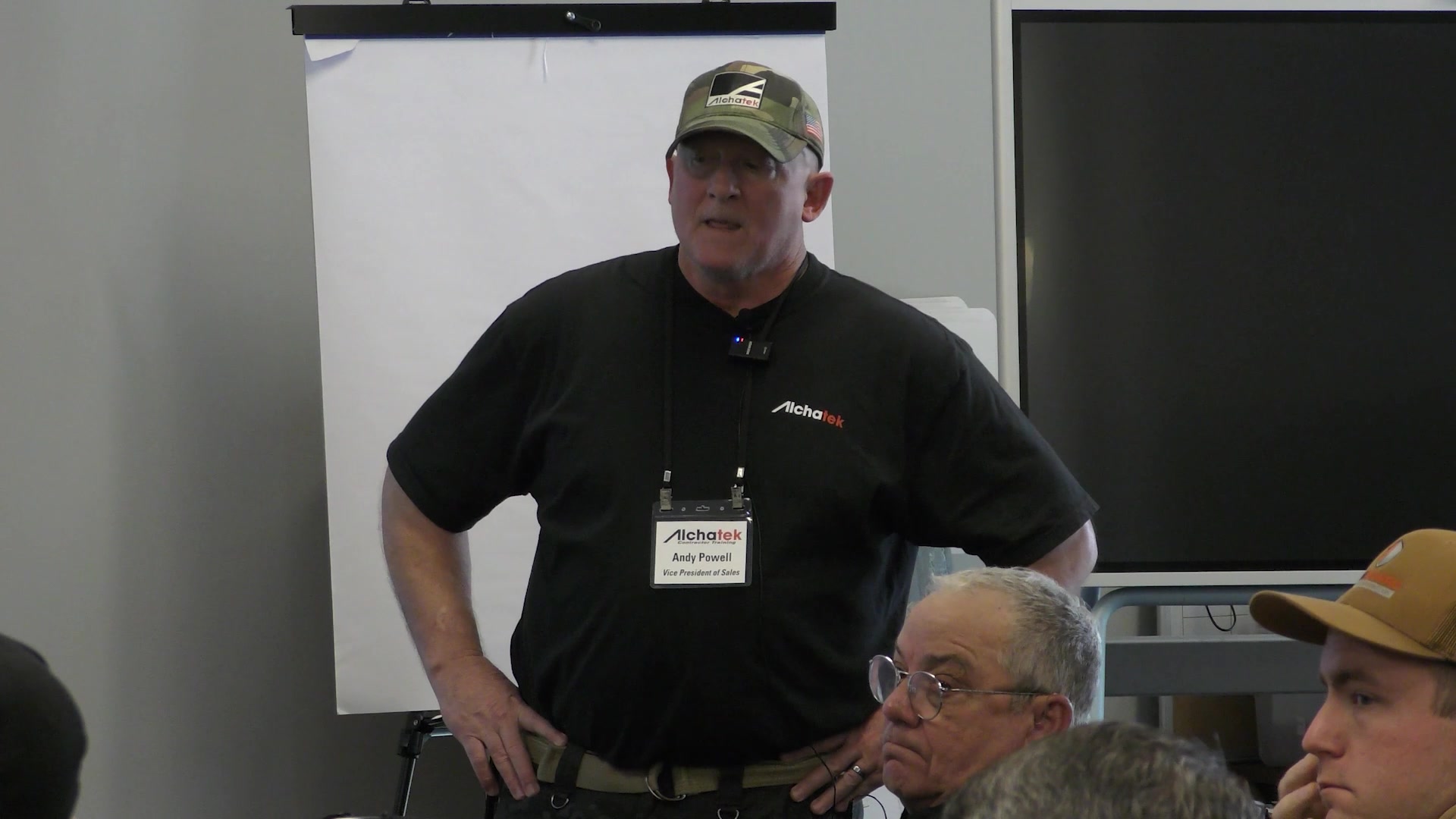
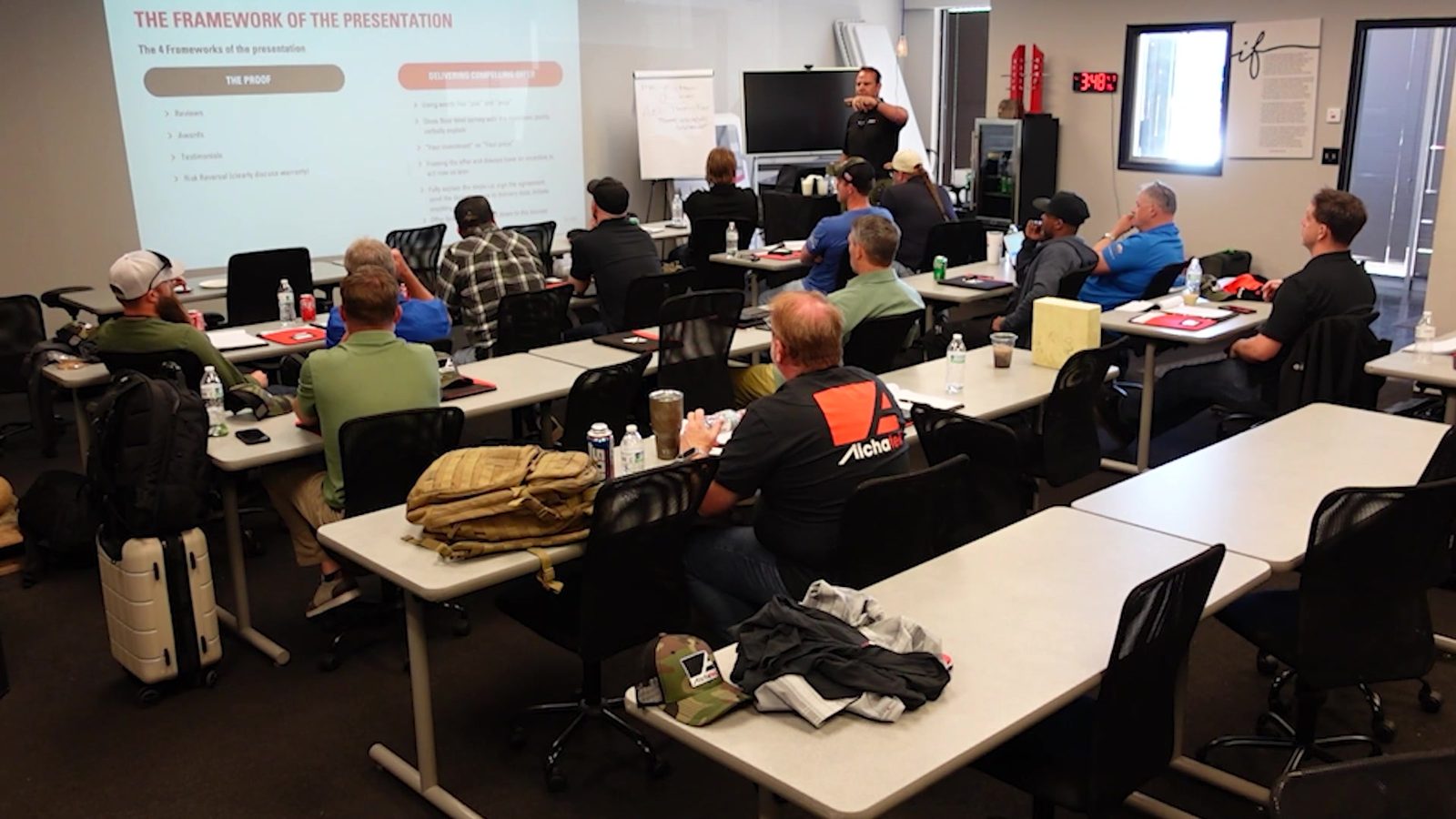
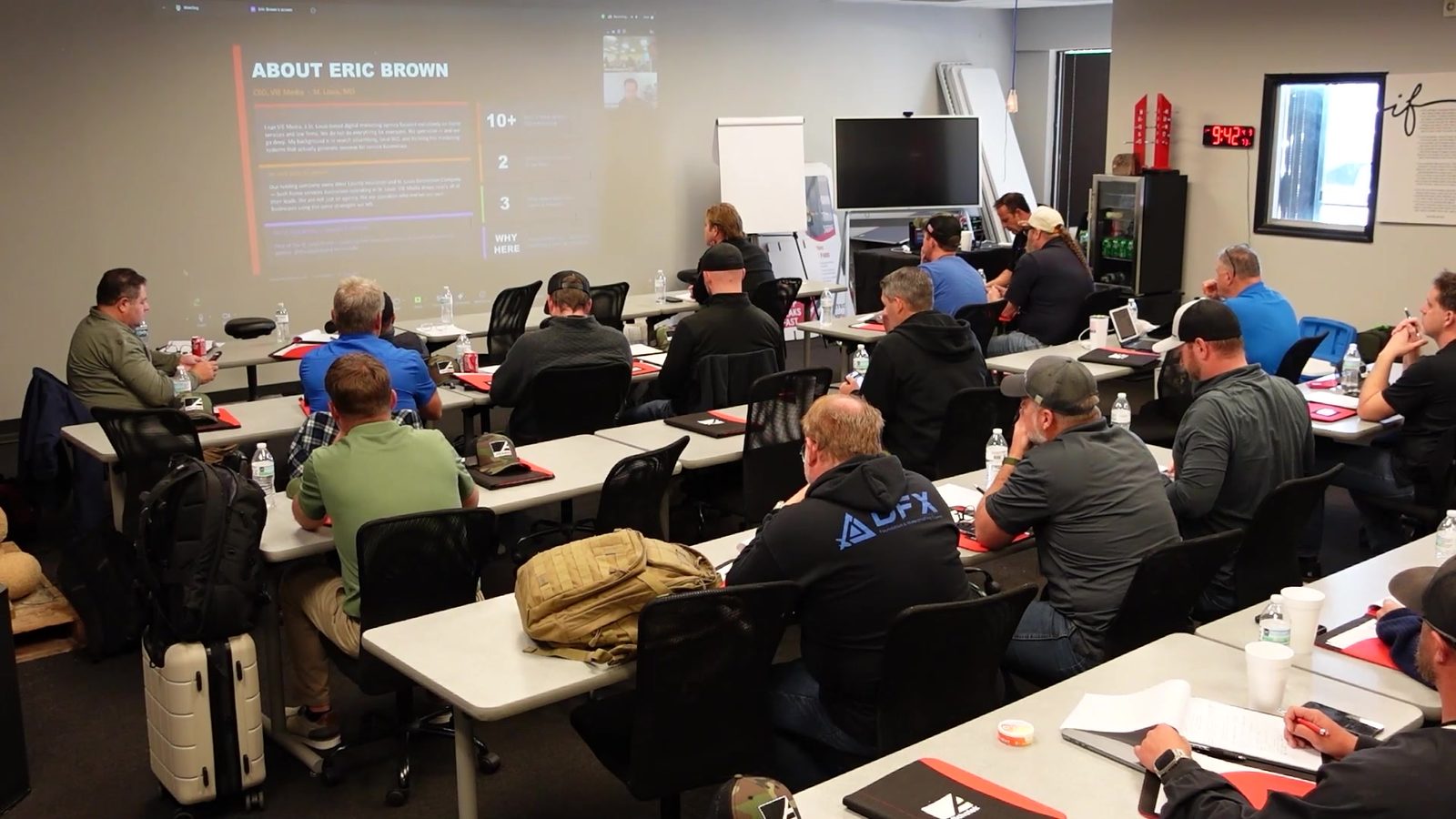
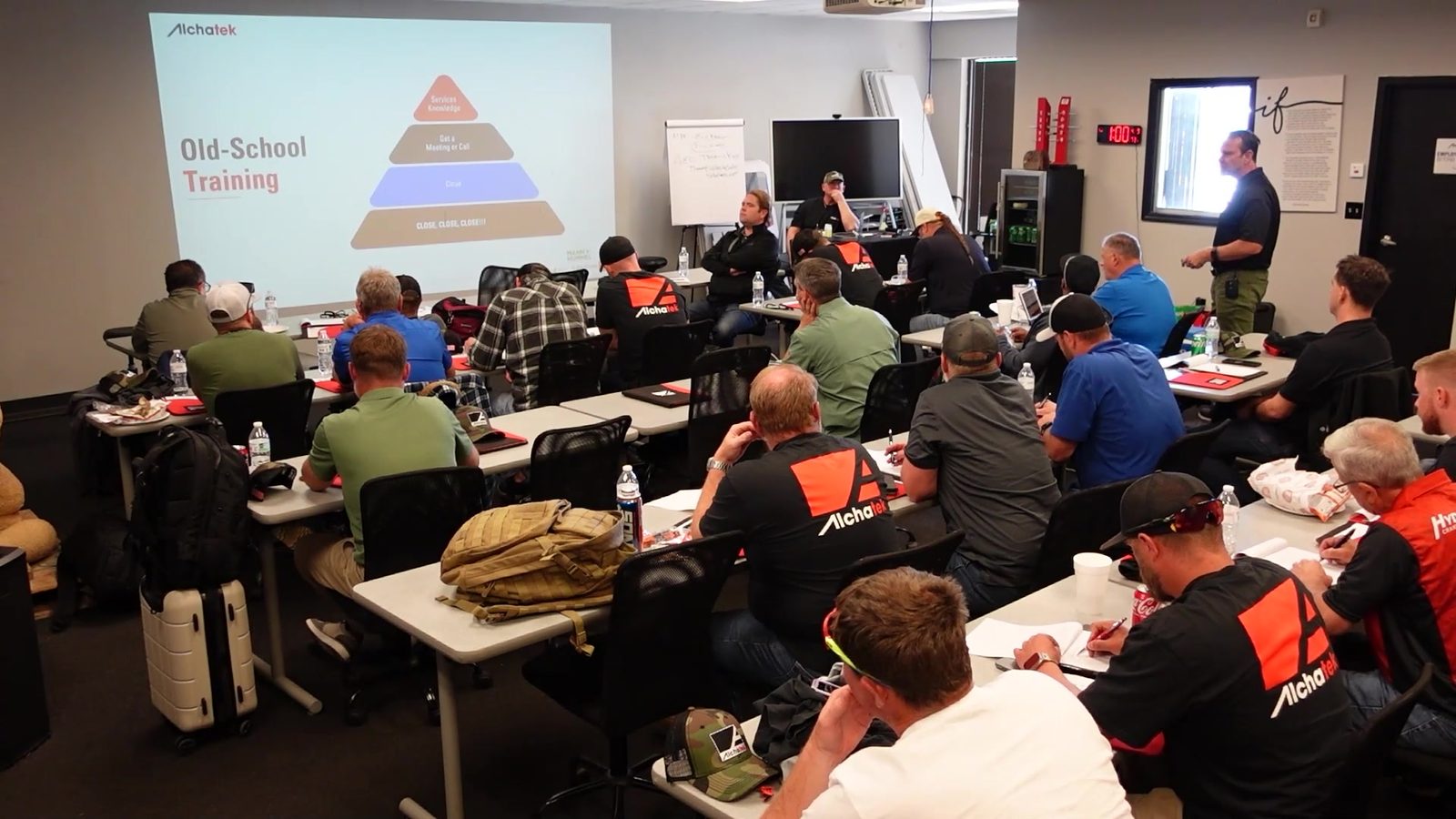
Andy walks through every aspect of Deep Lock — from the business case to field execution. Here's the full roadmap of what this training covers.
0:00 – 5:00
Why Learn Deep Lock?
Andy opens with the business case: Deep Lock doubles your revenue per job, gives you a 10-year warranty to sell against competitors, makes you a full-service contractor, and opens 30+ new market segments. If you're only doing single-component lifting, you're leaving money on the table.
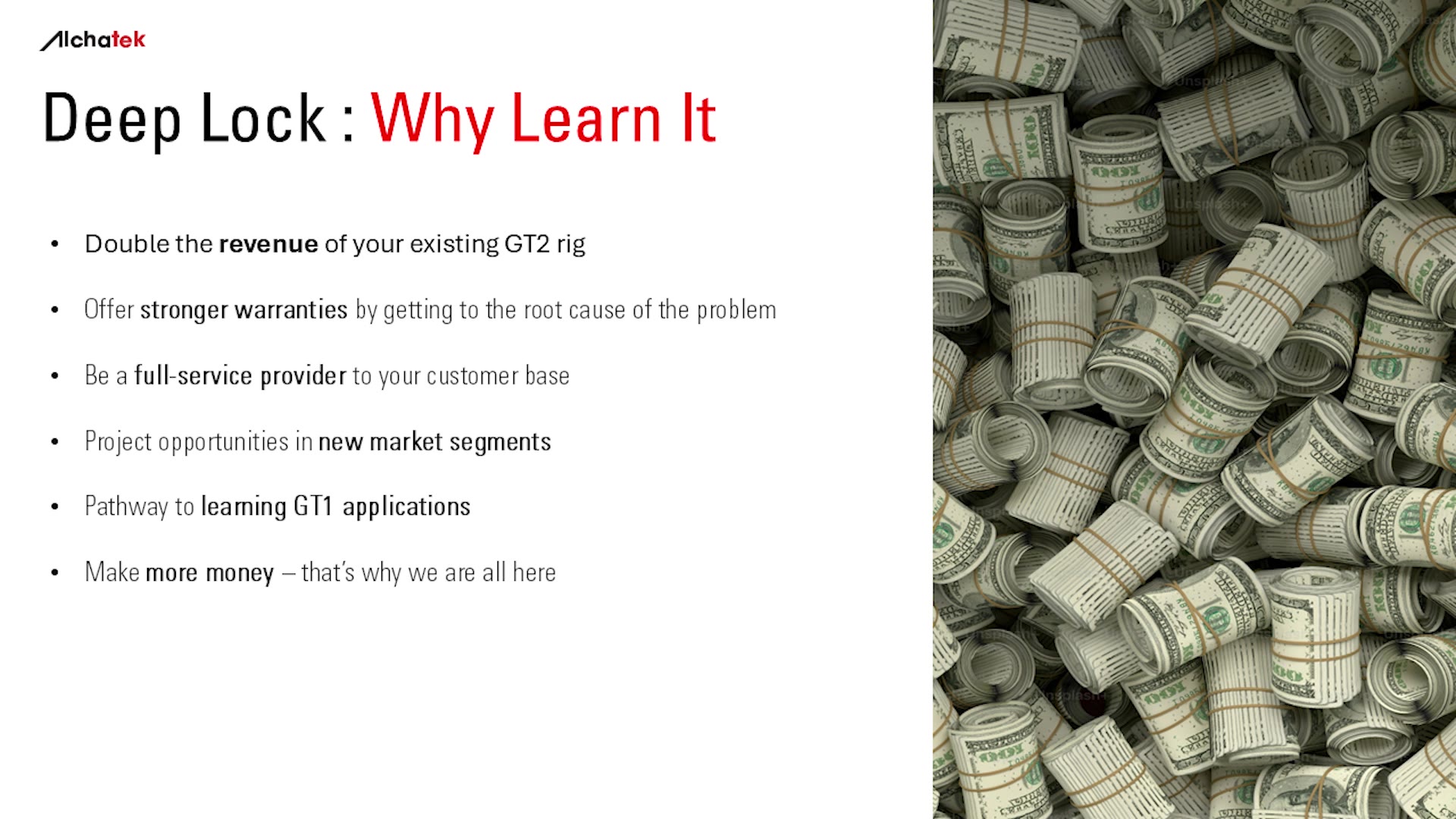
Slide
The four key reasons every contractor should add Deep Lock
5:00 – 15:00
The Loading Dock Example — Real Numbers
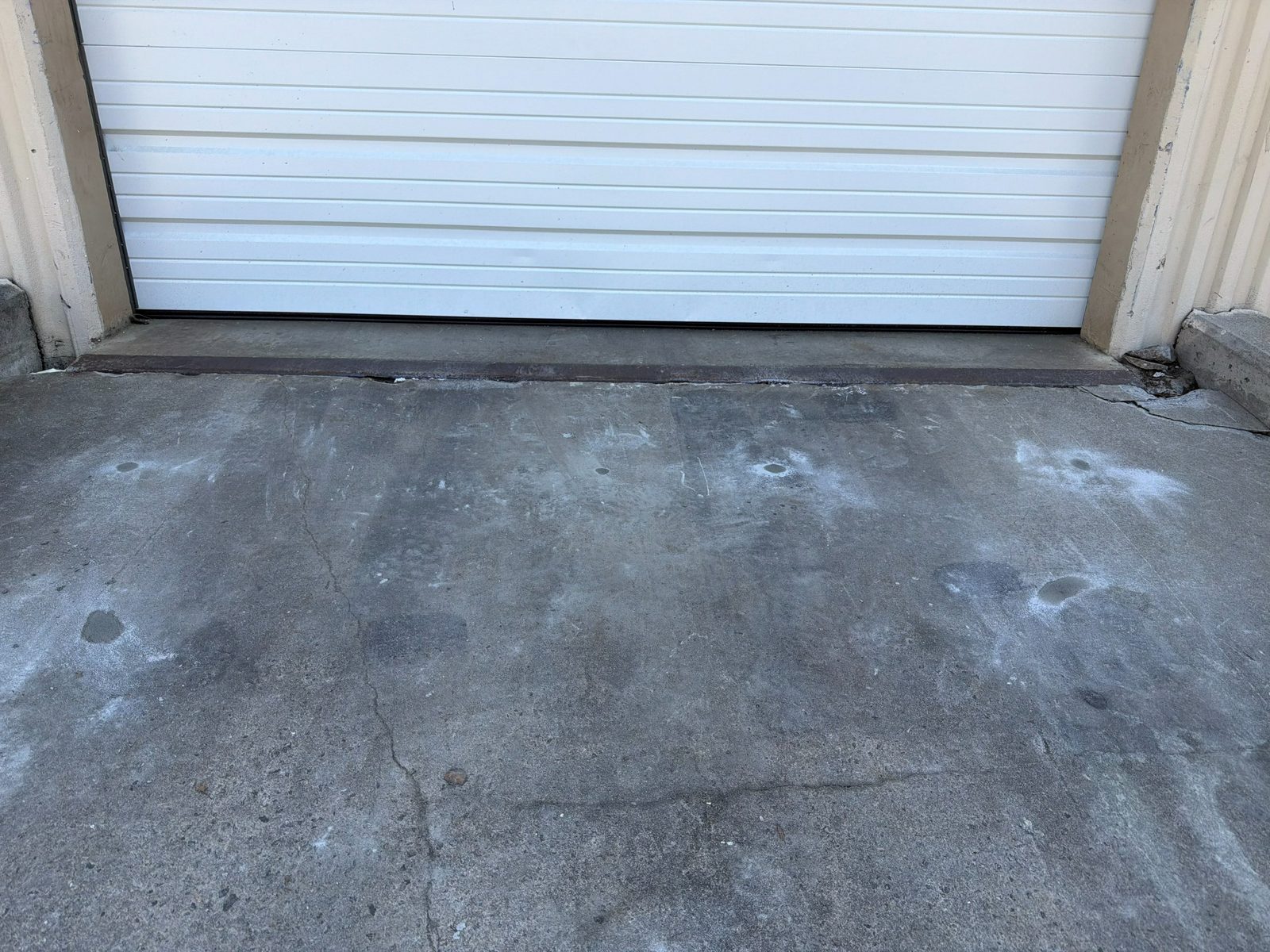
A concrete loading dock scenario breaks down the math: a 10′×10′ slab that's sunk 2 inches needs lifting (single-component, ~$1,890). But the soil underneath is the real problem. Adding Deep Lock soil stabilization brings the total to $3,690 — nearly doubling revenue on the same job, with a warranty that justifies the price.
15:00 – 25:00
How Deep Lock Actually Works
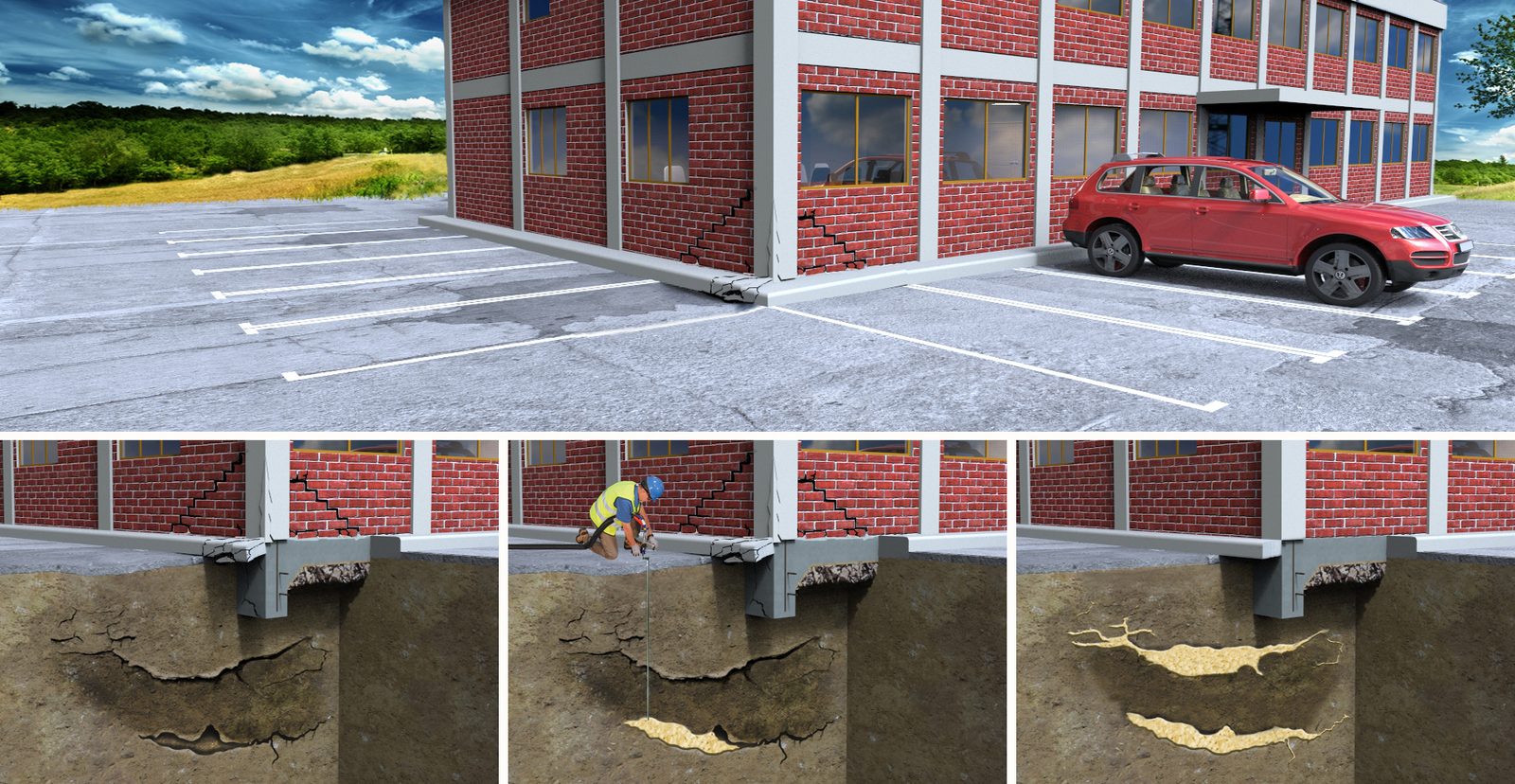
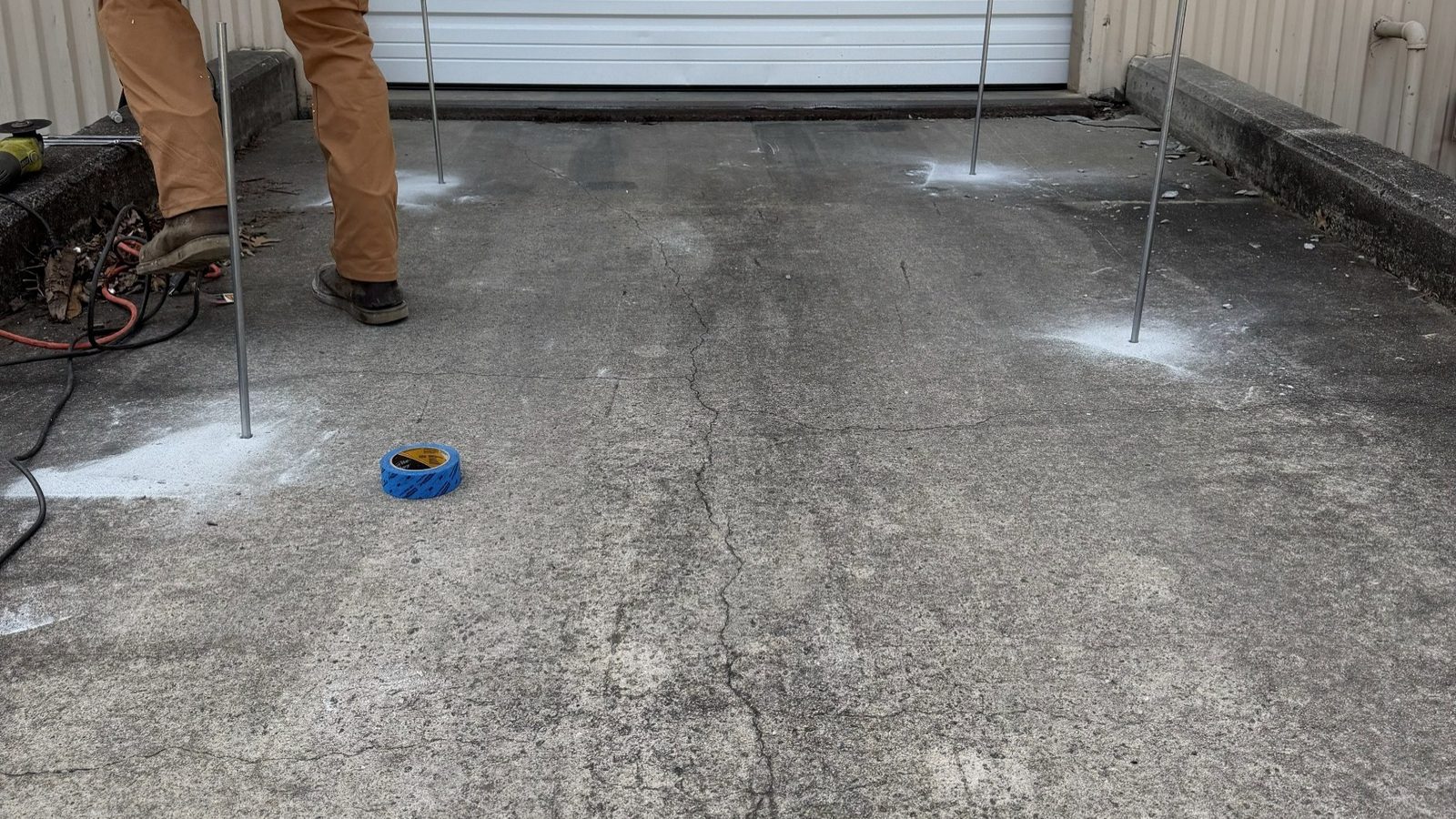
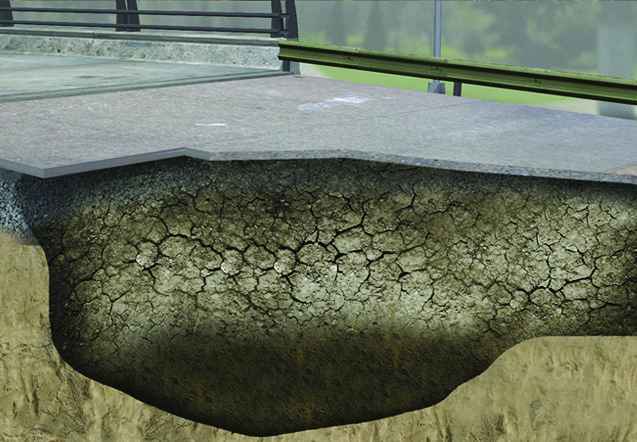
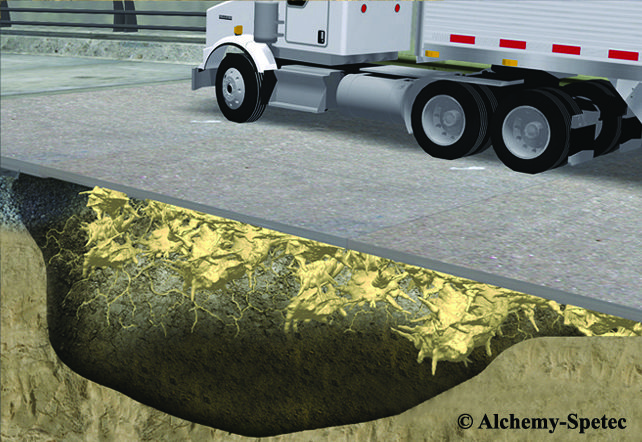
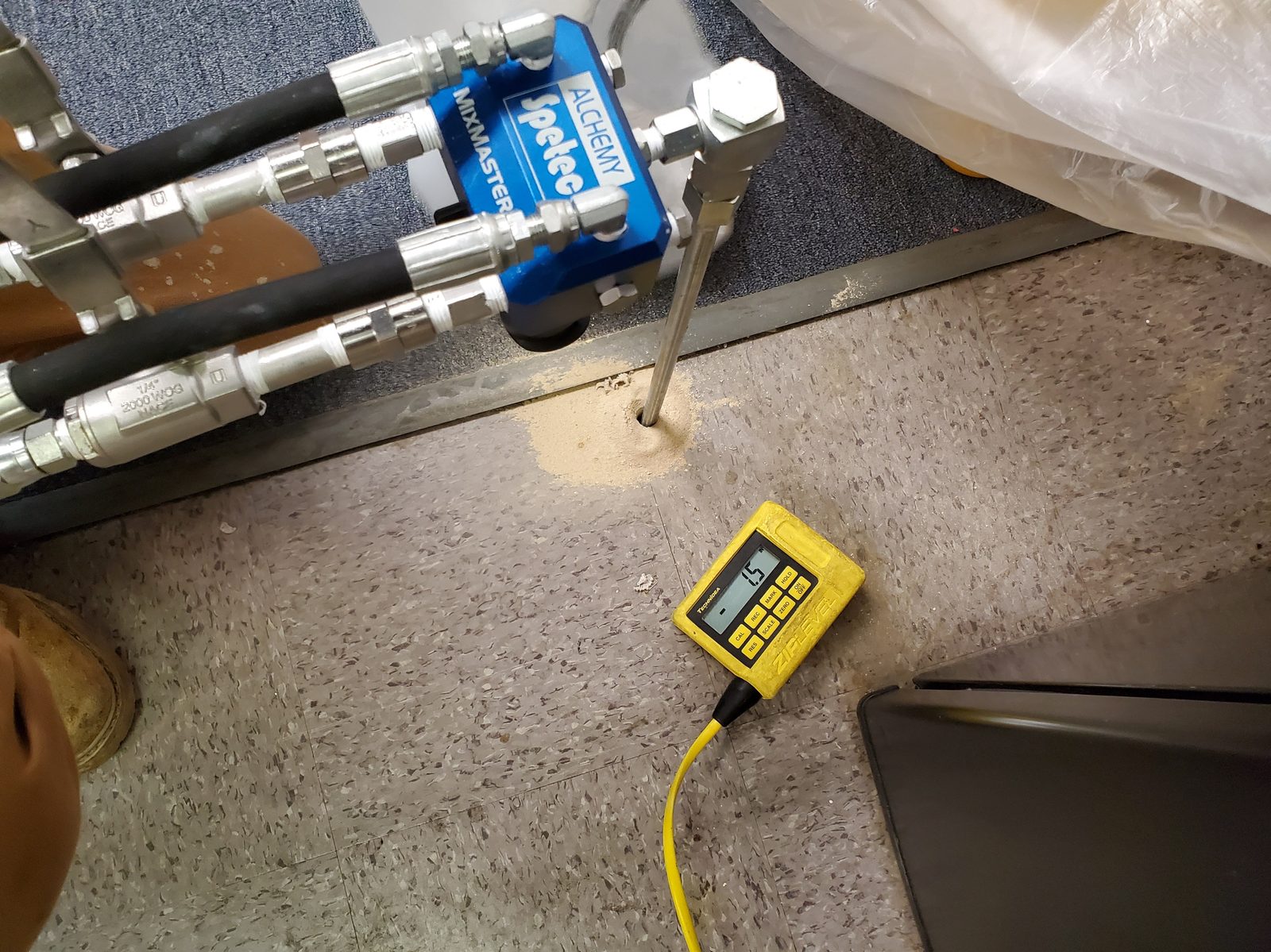
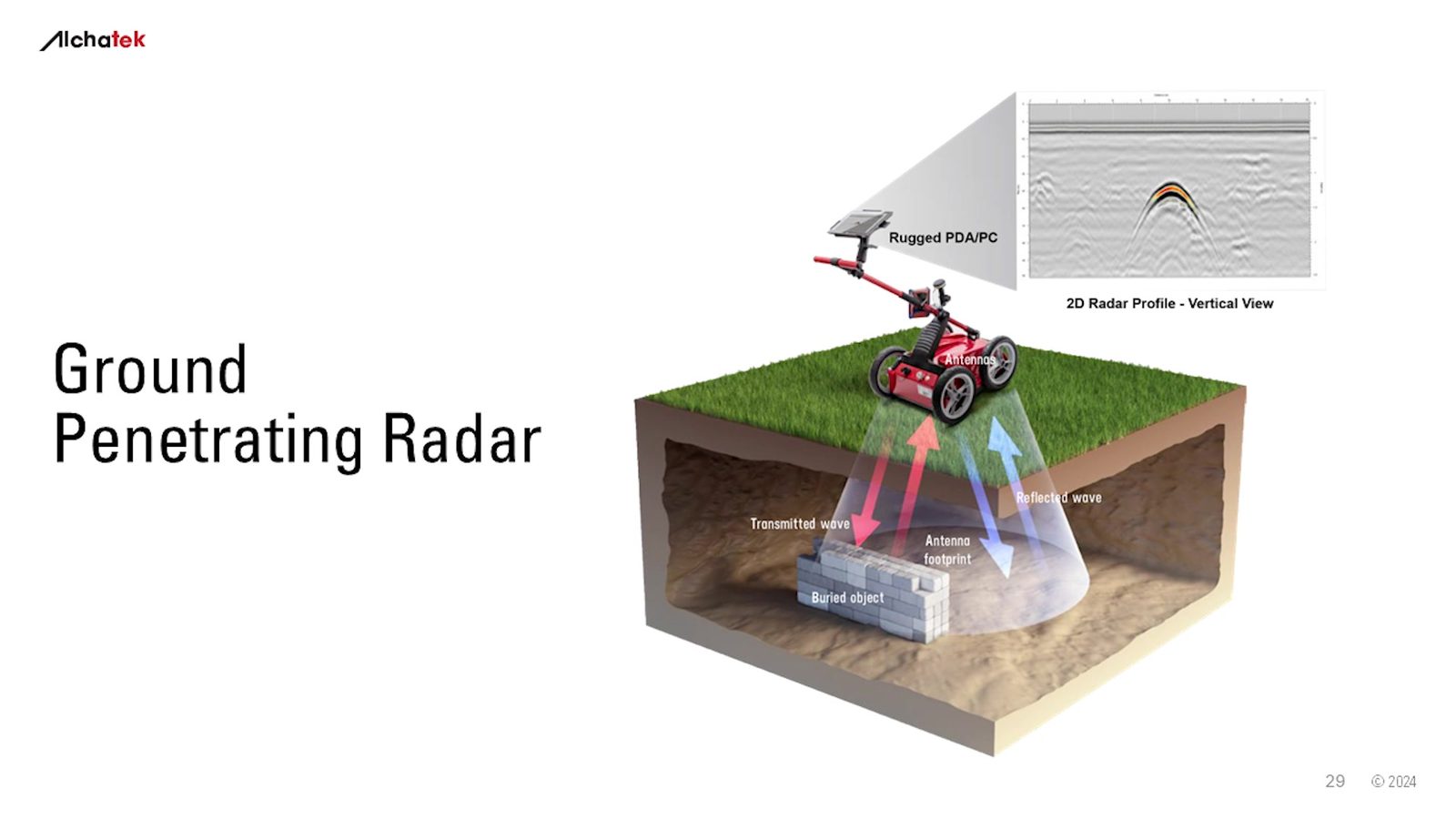
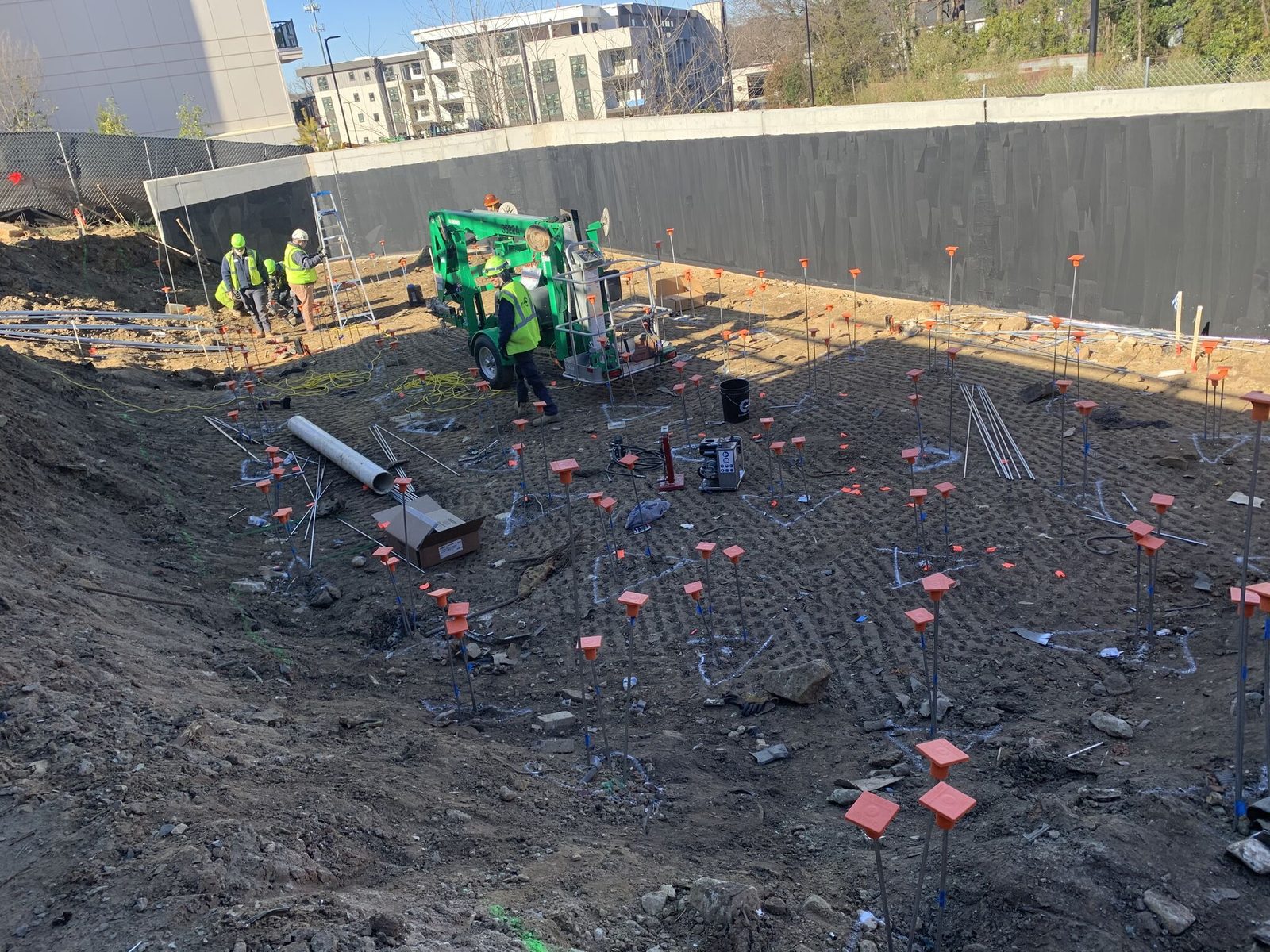
The technical core: you drill through the slab, drive pipes into the soil below, and inject two-component polyurethane. The foam expands to fill voids, compact loose soil, and create a permanent structural mass. Unlike single-component, two-component poly is a thermoset — once cured, it never changes shape, regardless of temperature or moisture.
25:00 – 35:00
NASA Stennis Space Center — The $1M+ Project
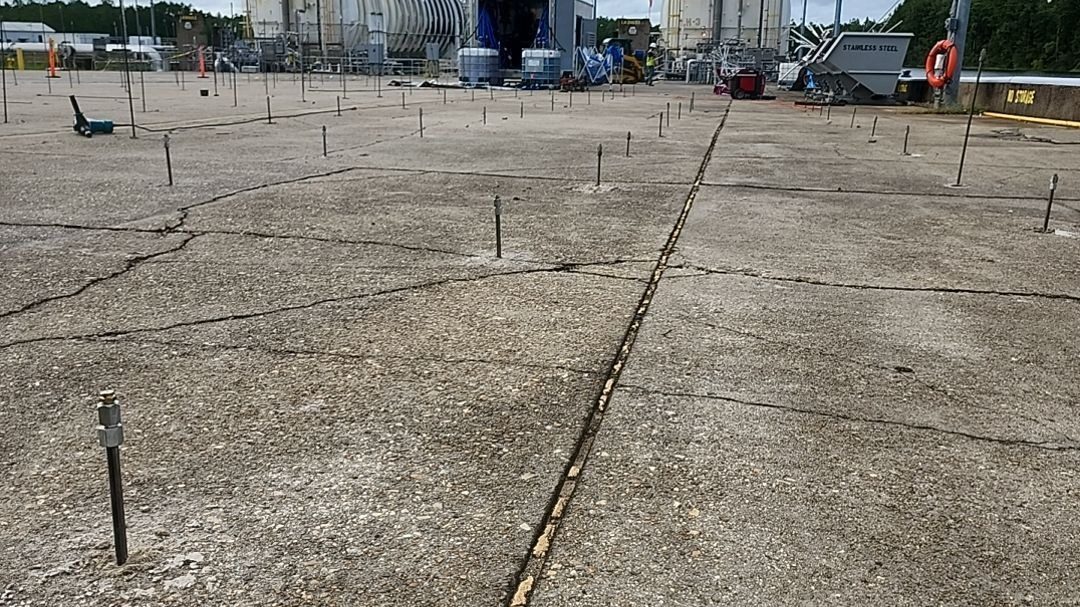
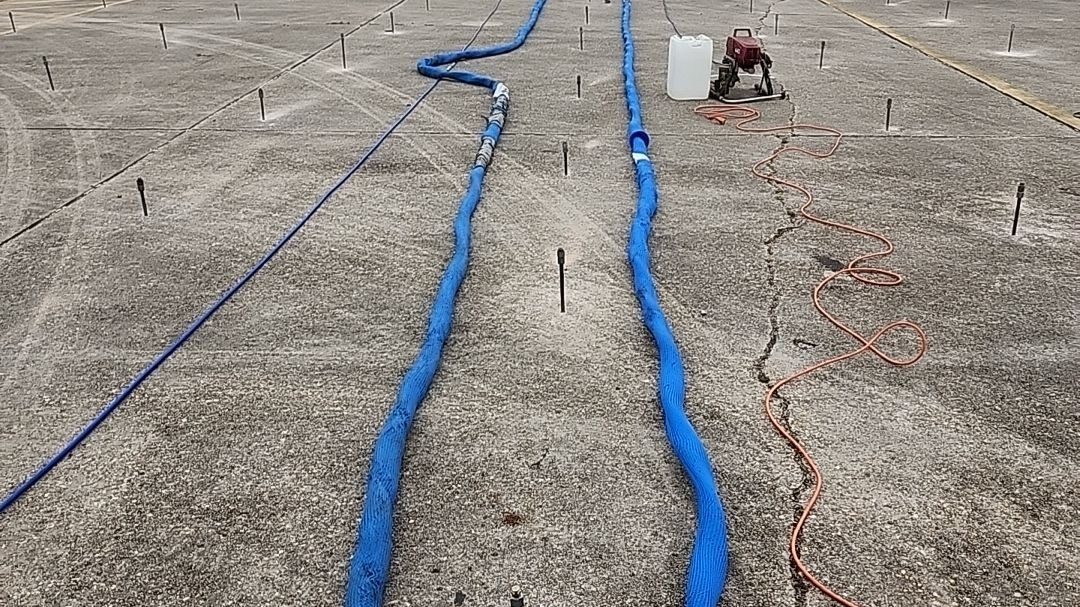
Andy shares the flagship Deep Lock case study: NASA's Stennis Space Center in Mississippi. A massive facility with 3,721 injection points, completed over multiple phases. This single project generated over $1 million in revenue and demonstrated Deep Lock's capability at industrial scale.
35:00 – 45:00
Fire Station Example — Comparing Costs
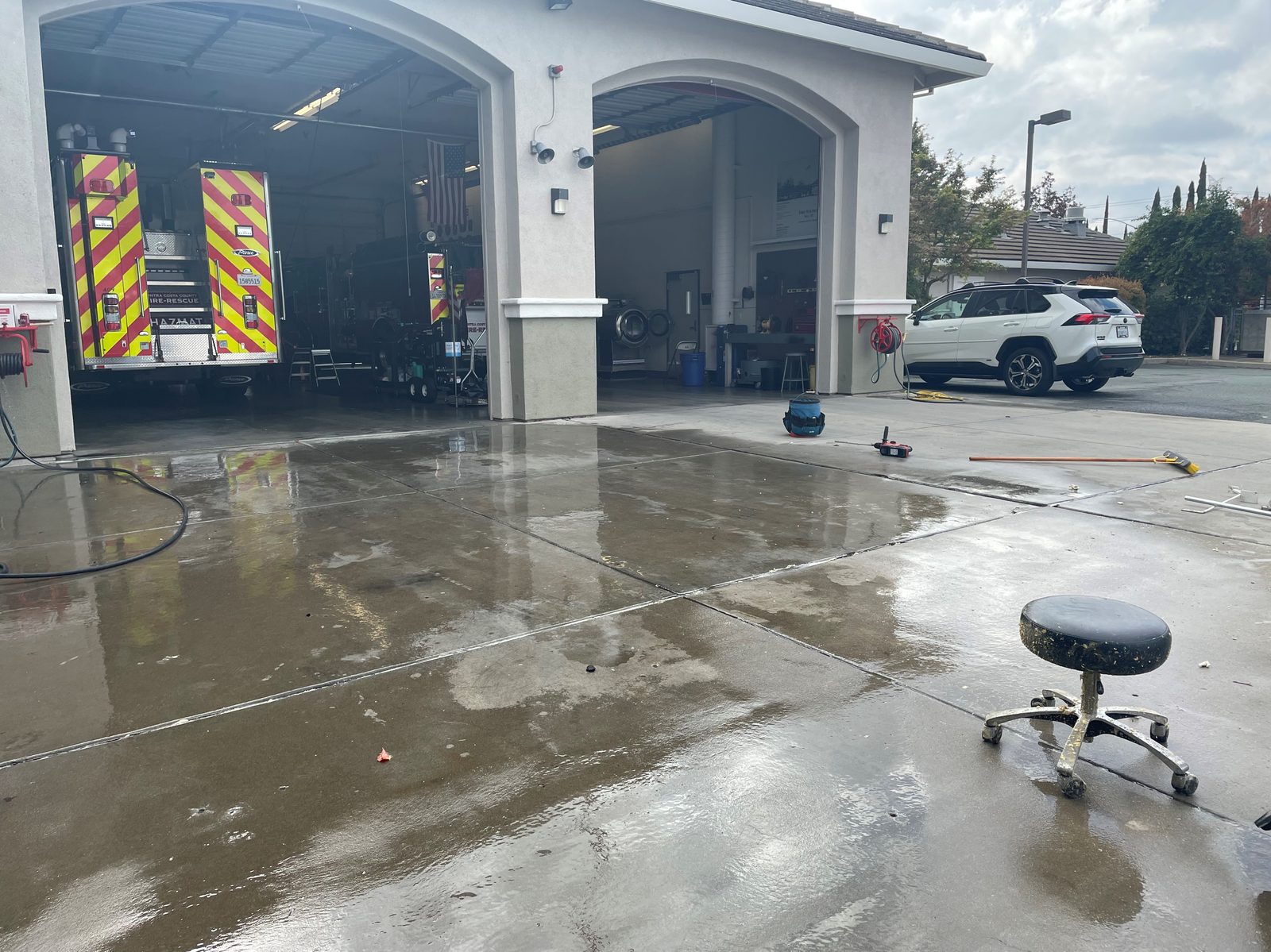
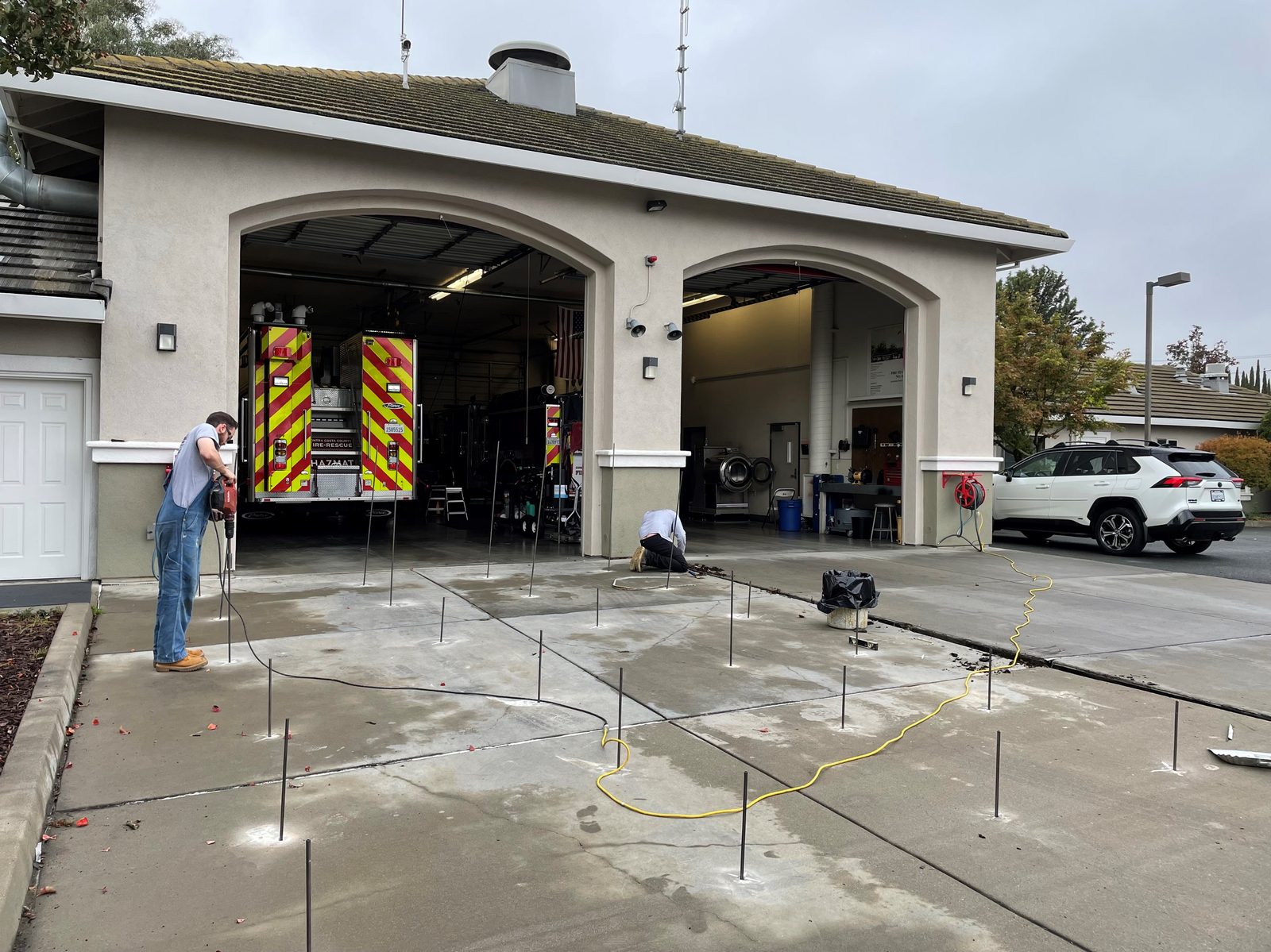
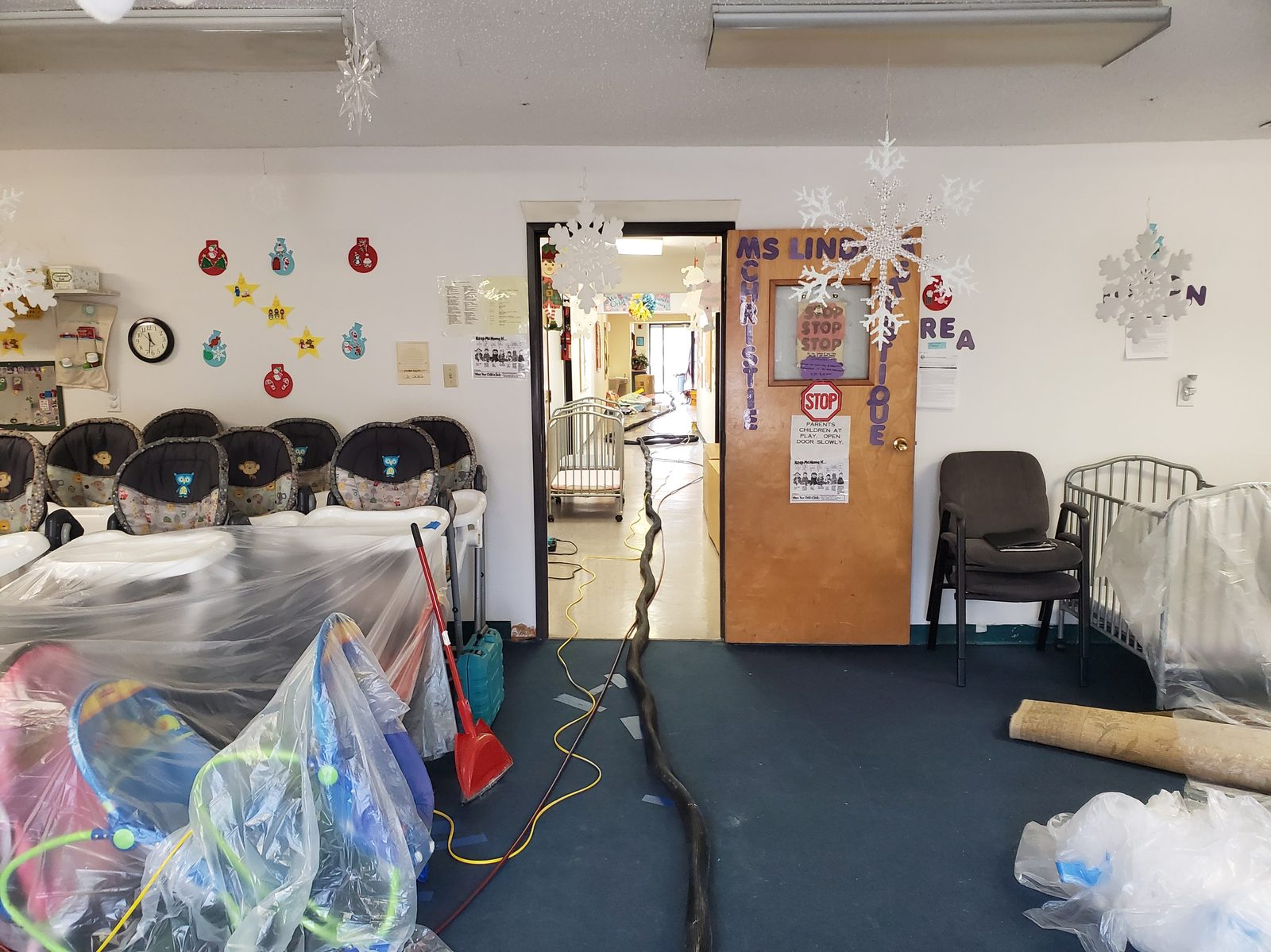
A practical comparison: a fire station project where Deep Lock soil stabilization cost $6,000 versus $14,400 for traditional methods like compaction grouting. Deep Lock delivered the same structural result at less than half the cost — making it an easy sell to facility managers and municipalities.
45:00 – 55:00
Applications — Where Deep Lock Works
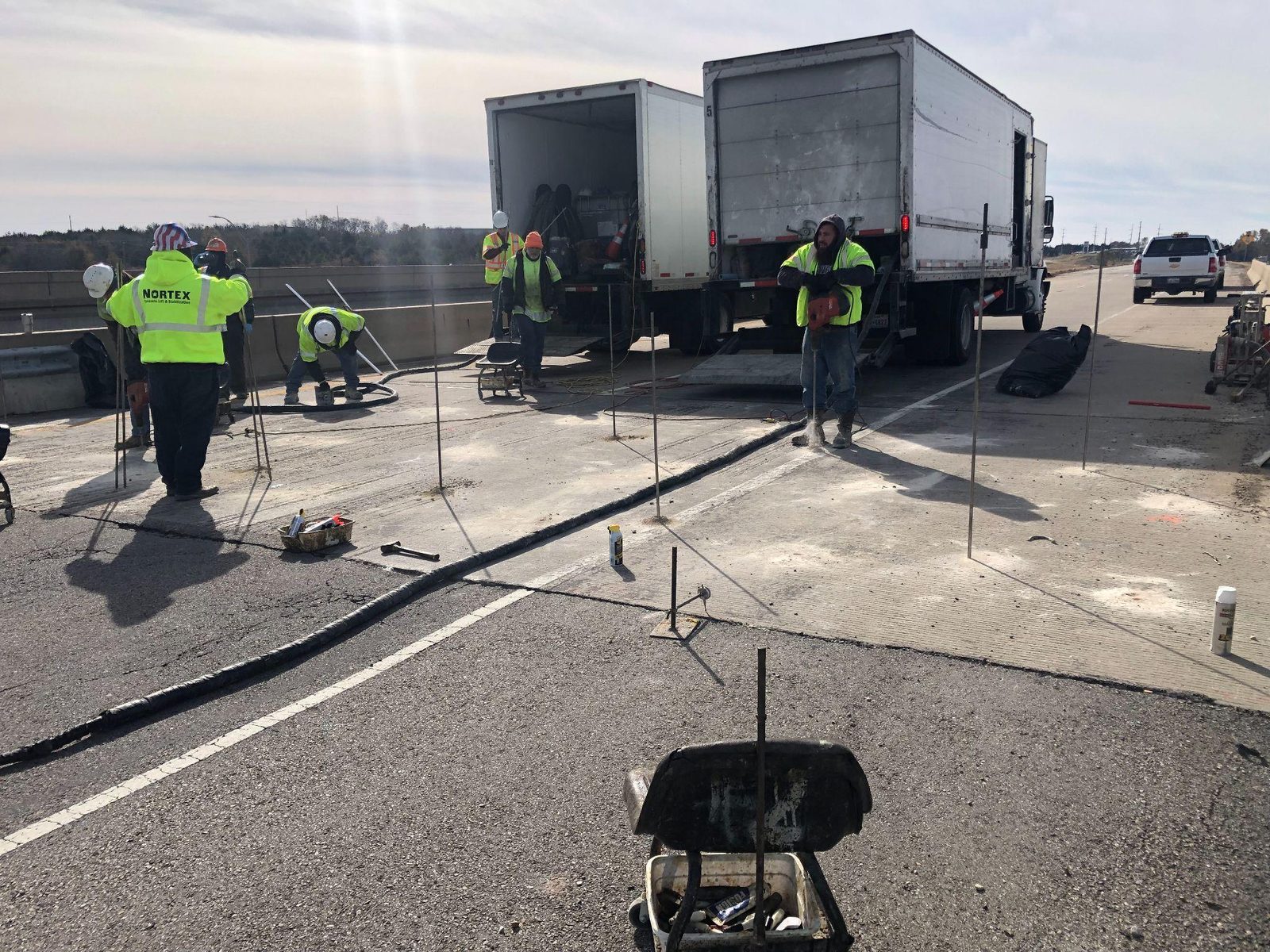
Deep Lock isn't limited to commercial slabs. Andy covers the full range: roadways and highways, bridge approaches, commercial and industrial buildings, residential foundations, loading docks, warehouse floors, and DOT/municipal contracts. Each application has its own pricing dynamics and sales approach.
55:00 – 65:00
Success Stories — Hawaii & Idaho
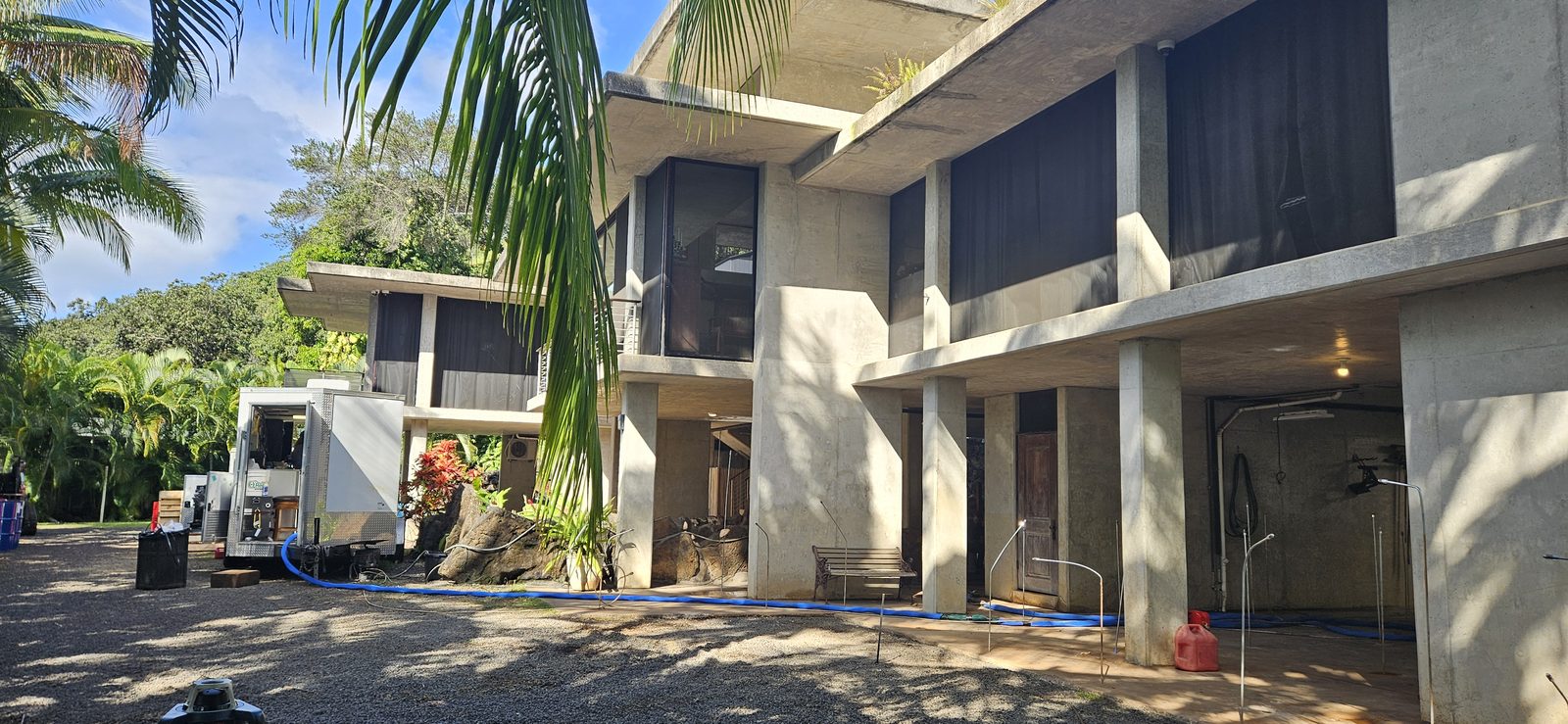
Two remarkable case studies: In Hawaii, Deep Lock stabilized the soil under a 3-million-pound house that was sinking into volcanic soil. In Idaho, a contractor went 90 feet deep — the deepest Deep Lock project on record — to stabilize a foundation over an old mine shaft. Both projects demonstrate that Deep Lock can handle situations no other method can touch.
65:00 – 80:00
Equipment, Grid Patterns & Estimating
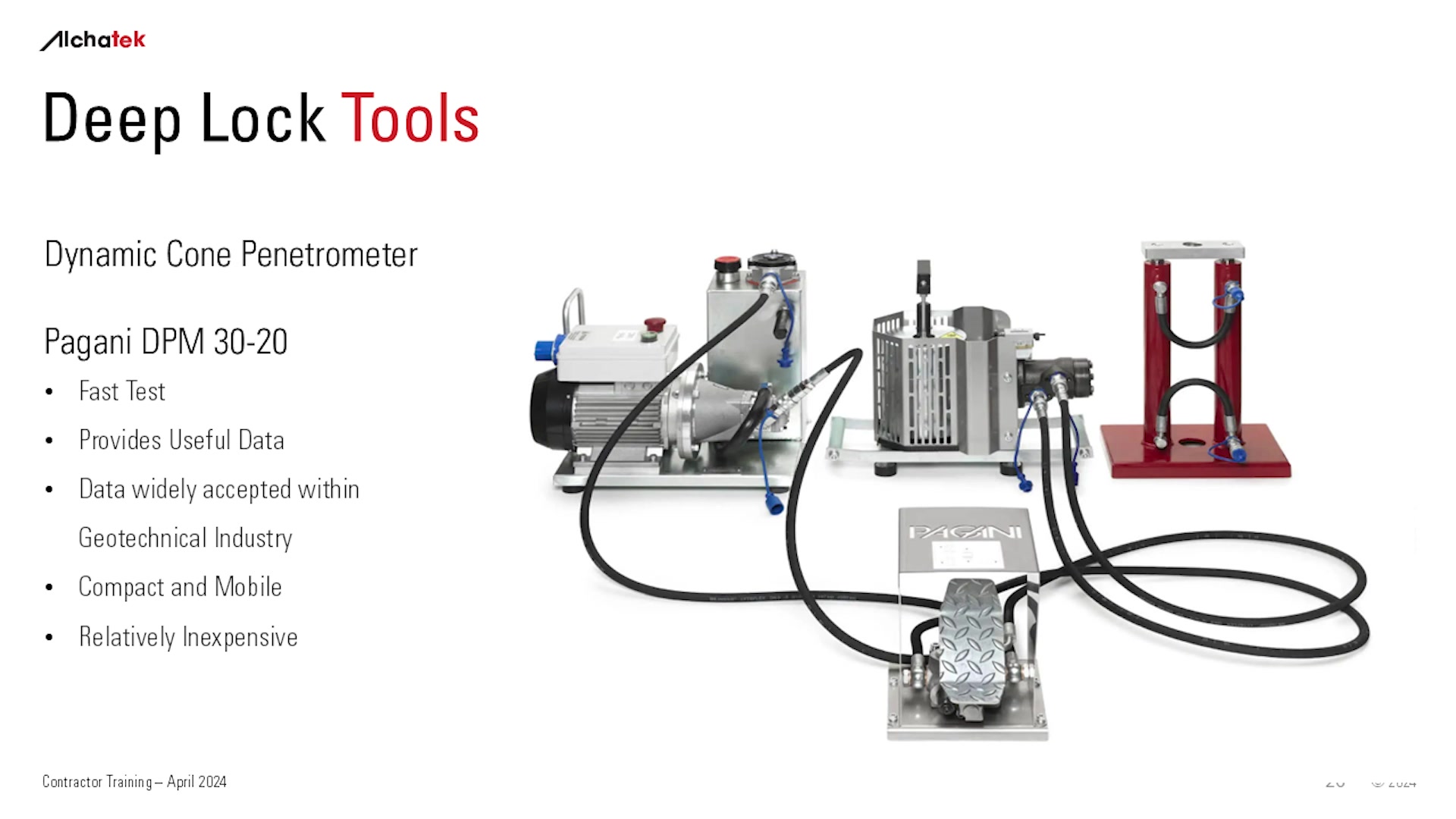
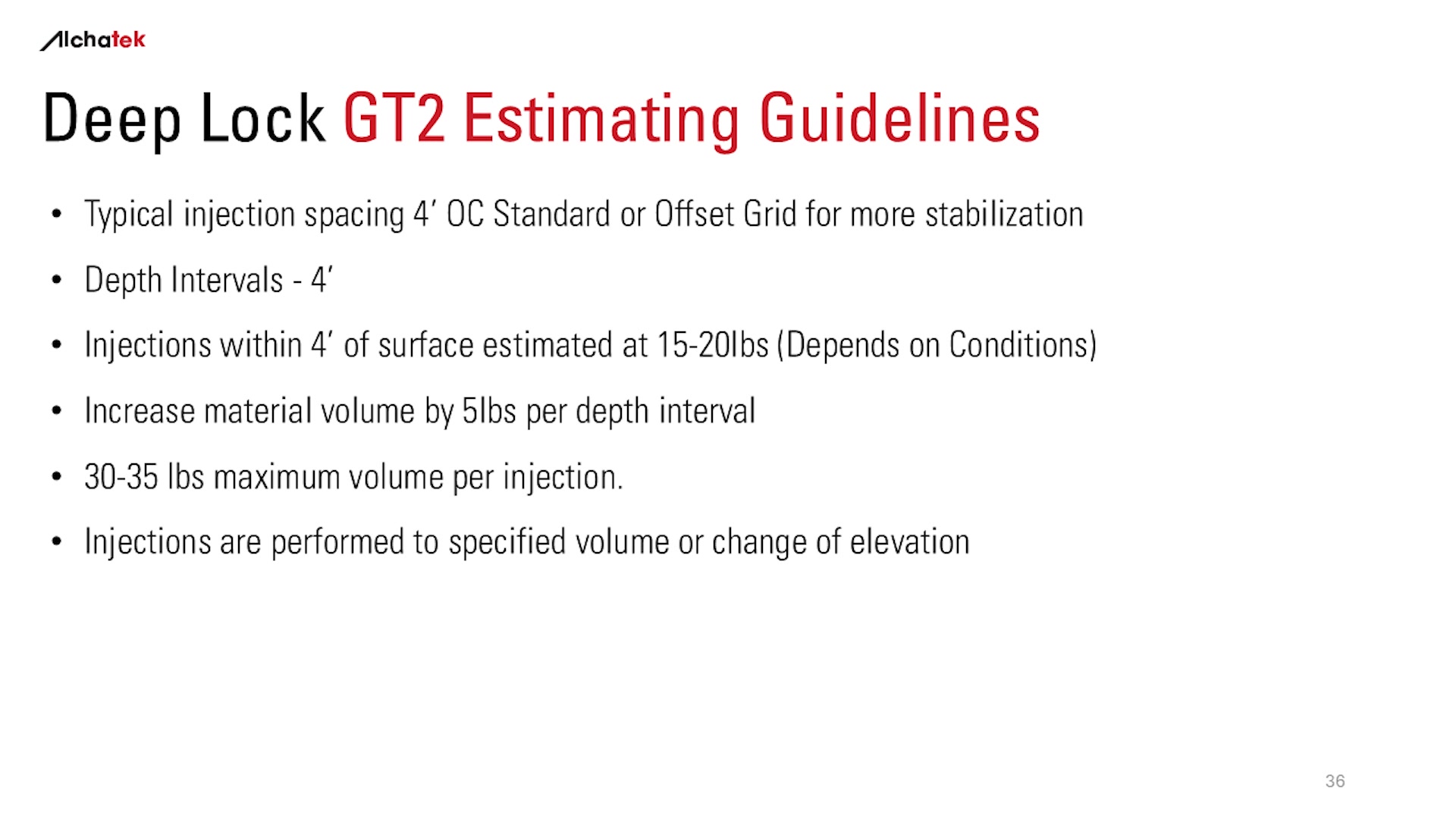
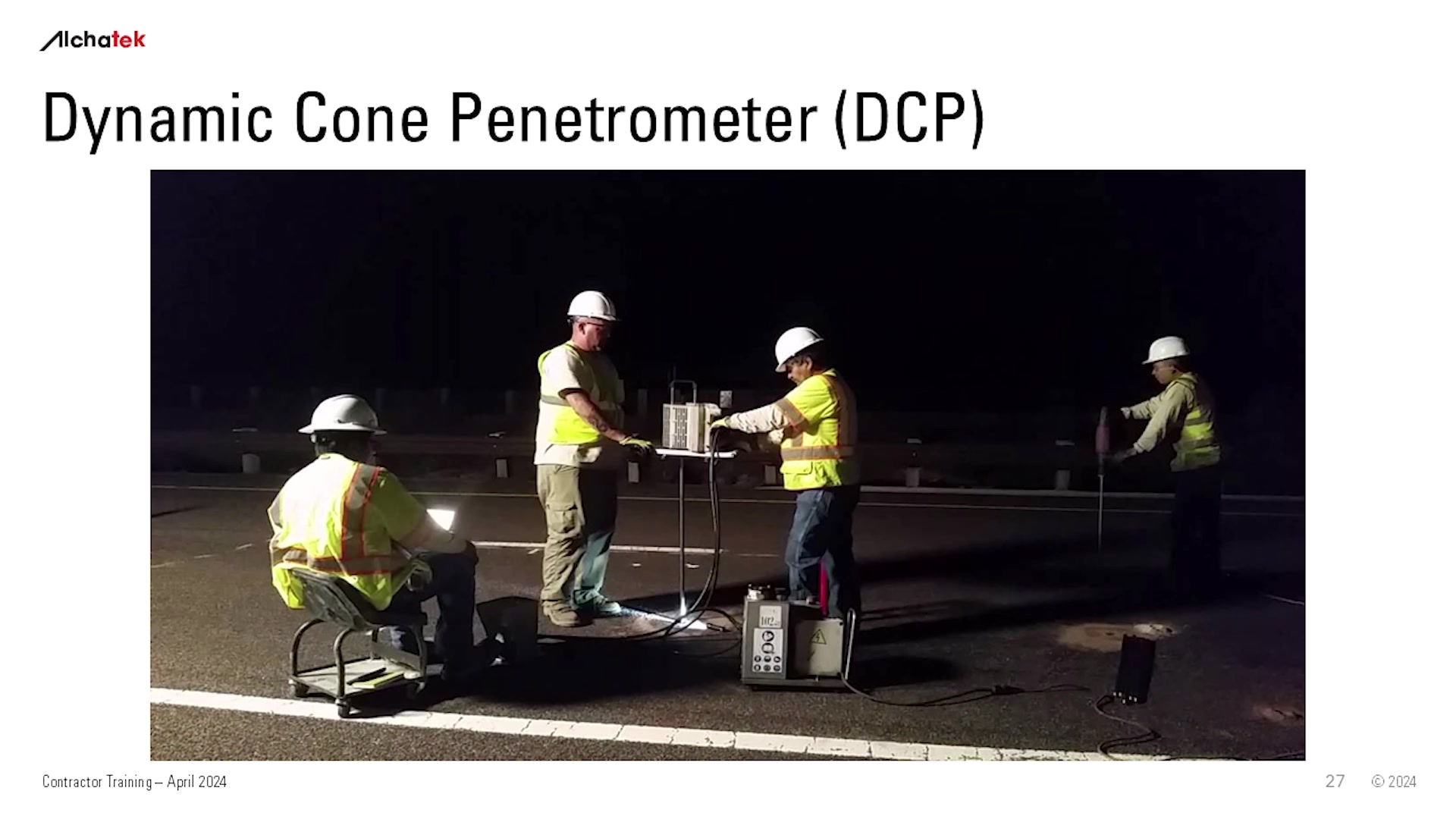
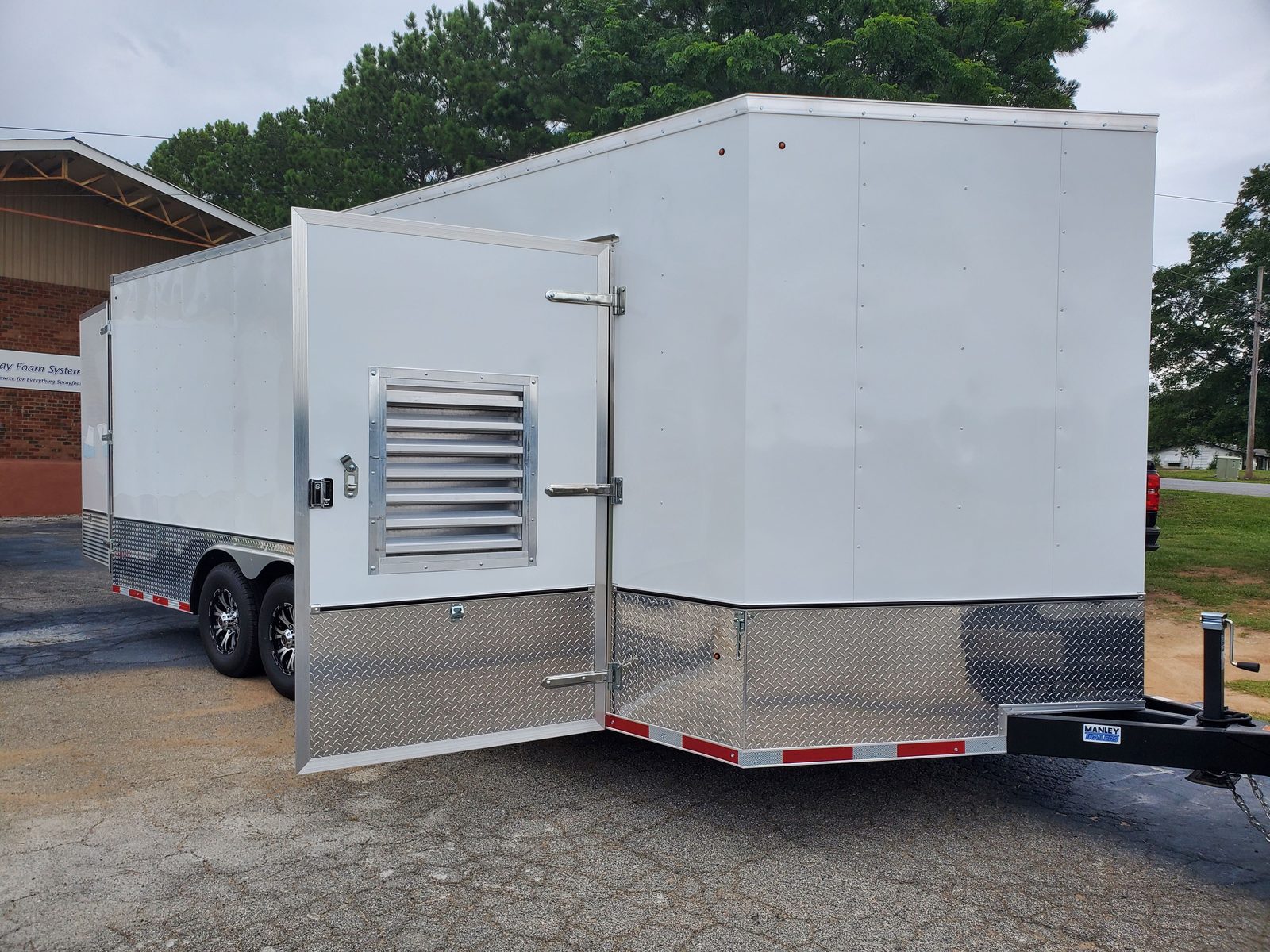
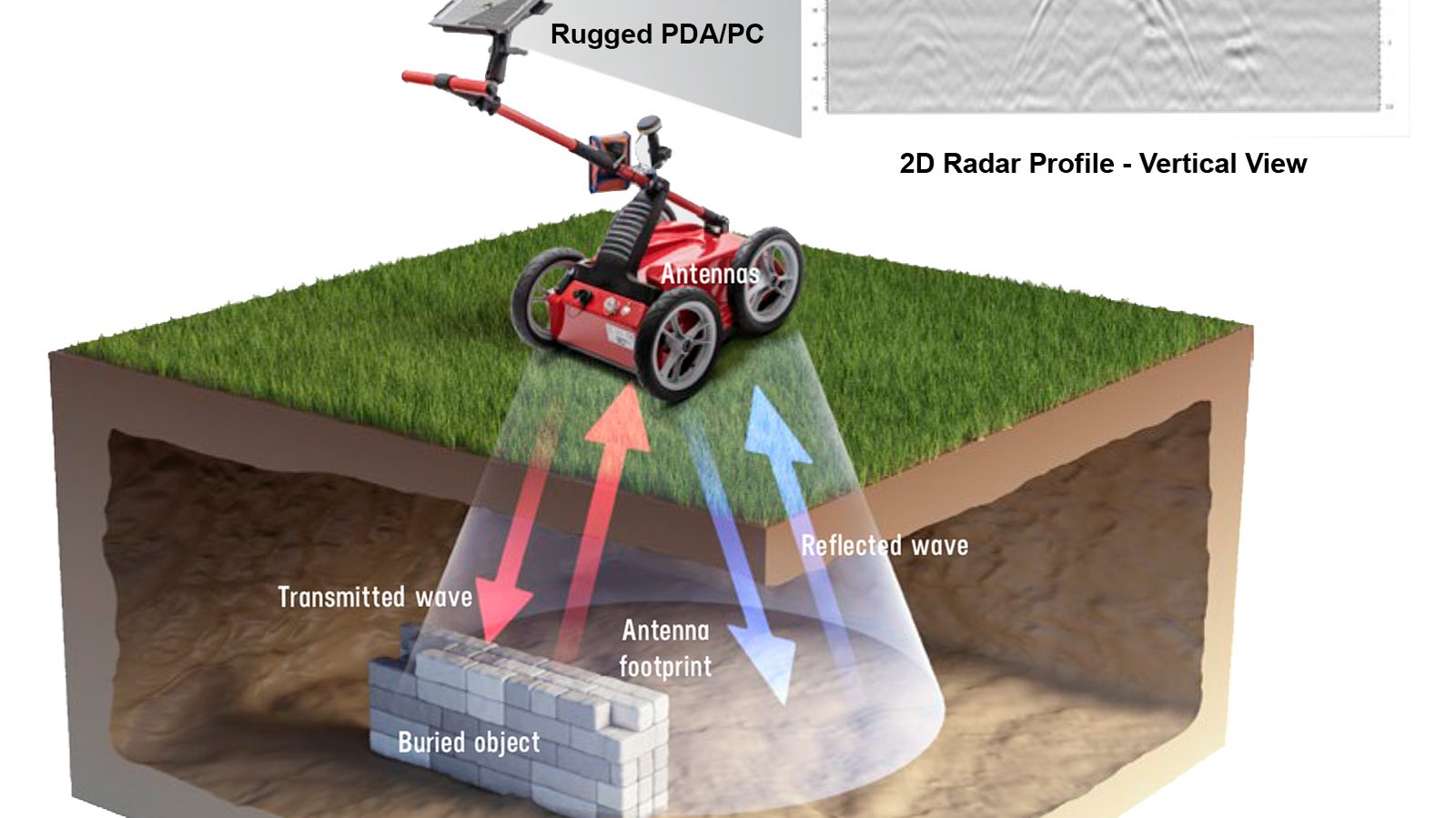
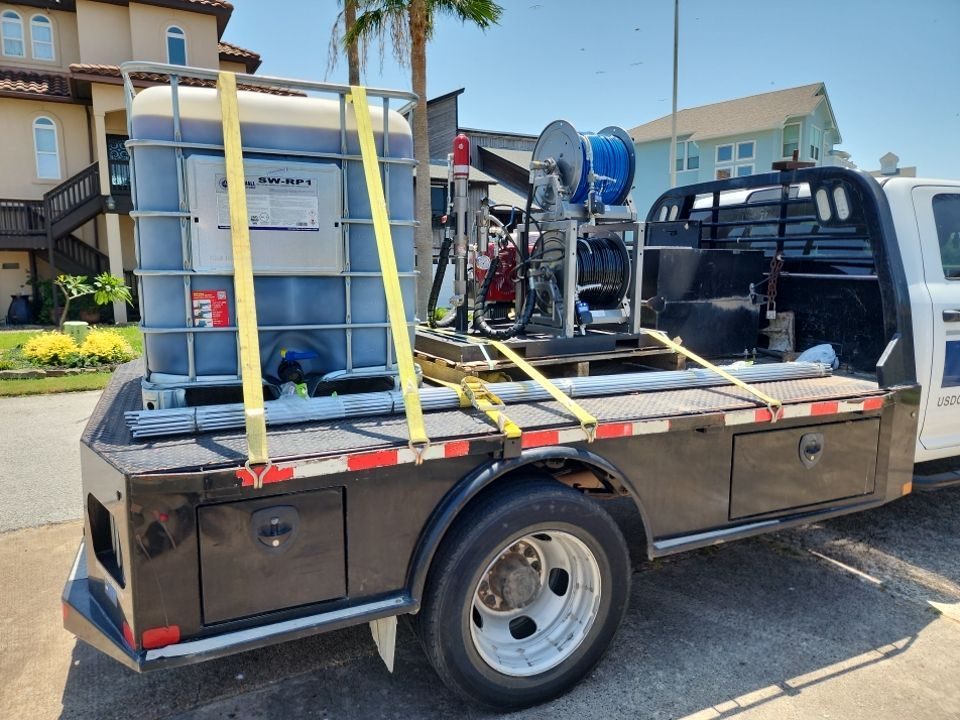
The practical field guide: what equipment you need (DCP — Dynamic Cone Penetrometer, borescope, standard injection rig), how to lay out grid patterns for injection points, spacing guidelines, and how to estimate material quantities and pricing. Andy covers the estimating formula so you can quote Deep Lock jobs confidently from day one.
80:00 – 88:00
Q&A and Next Steps
Andy takes questions from the group covering common objections, pricing strategies, and how to position Deep Lock alongside your existing poly lifting services. The session wraps with clear next steps for contractors ready to start offering Deep Lock in their market.